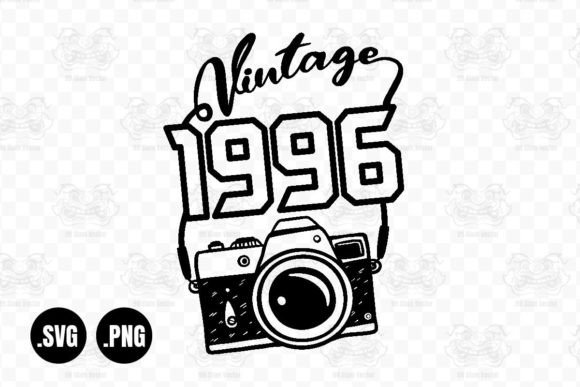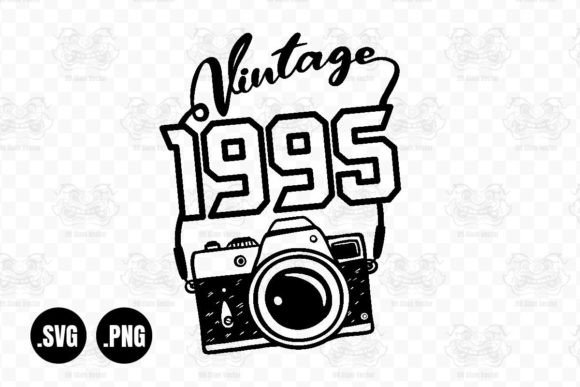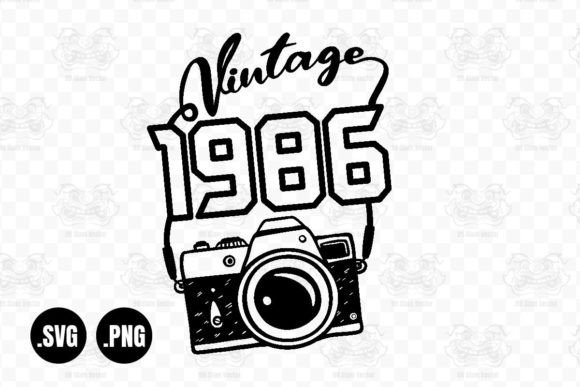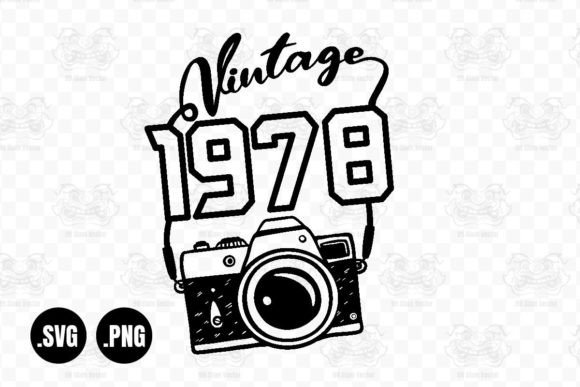
Vintage 1988 Classic Camera Svg Review
As a designer who spends half my life troubleshooting stitch paths and the other half worrying about how a finished product looks on a customer’s chest, I don’t just look at a file and say it’s “cute.” I look at it and ask: will this hold up? Will it read clearly when stitched? And does it have the soul to make someone actually want to wear or display it?
That is exactly where Vintage 1988 Classic Camera Svg comes in. It sits right at that intersection of nostalgia and practical design utility. For anyone running a small shop, an Etsy store, or simply looking to create meaningful personalized gifts, understanding the nuance of a design like this is what separates a hobbyist from a professional. This review breaks down how this specific graphic behaves in real-world embroidery scenarios, from the initial visual impact to the final stitching considerations.
The First Impression: Mood and Visual Personality
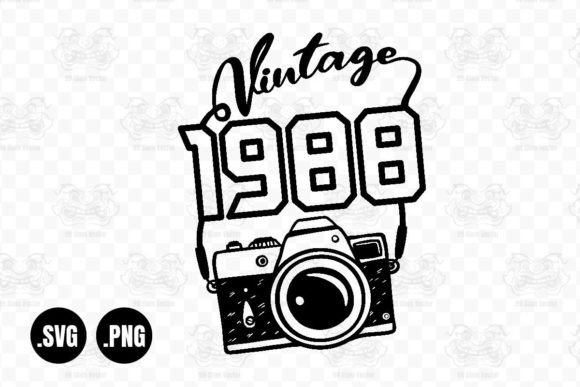
When you first load Vintage 1988 Classic Camera Svg into your digitizing software or design canvas, the immediate takeaway is its strong retro aesthetic. The combination of the classic camera silhouette with the typography anchors it firmly in the late ’80s era. It isn’t trying to be modern minimalist; it is embracing a specific time period. This gives the design a built-in narrative. It speaks to birthdays, anniversaries, and milestones associated with the year 1988.
Visually, the layout feels balanced. The camera icon provides a solid graphical anchor, while the typography adds context. For an embroidery project, this balance is crucial. If the text were too dense or the icon too intricate, the design would lose clarity once transferred to fabric. Here, the shapes appear bold enough to translate well into thread, creating a design that feels established and confident rather than fragile or overly delicate.
Real-World Application: Where This Design Shines
The true test of any machine embroidery design is how it performs on actual merchandise. Vintage 1988 Classic Camera Svg is incredibly versatile, but it has natural homes where it truly excels. Let’s look at a few practical scenarios.
Custom Apparel and Sweatshirts
One of the strongest use cases for this design is on custom apparel, particularly sweatshirts and heavyweight t-shirts. The vintage theme pairs perfectly with the texture of cotton blends often used in these garments. Imagine a cream-colored crewneck sweatshirt with a slightly distressed print underneath, featuring this embroidered design over the heart or on the back. The contrast between the soft fabric and the structured embroidery creates a premium feel. It works beautifully as a sweatshirt embroidery piece because the camera motif suggests creativity, memory, and style—traits that resonate with buyers looking for unique, non-mass-produced clothing.
Tote Bags and Canvas Projects
Another excellent application is the tote bag design. Canvas bags are staples in the craft business, and they offer a large, stable surface area for stitching. A classic camera graphic on a sturdy canvas tote immediately signals a lifestyle brand. It appeals to photographers, artists, and creatives. Because the design likely features clean lines and distinct shapes, it holds up well against the rougher texture of canvas, ensuring that the details remain visible even after multiple uses.
Baby Items and Nursery Decor
Don’t overlook the potential for baby embroidery. A “Made in 1988” theme can be adapted for parents celebrating their own birthdays or for grandparents gifting to grandchildren born in that year. On baby onesies, blankets, or nursery wall hangings, the design takes on a sentimental value. The camera icon becomes a symbol of capturing memories, which is a powerful emotional hook for gift-givers. When stitched onto soft baby fabrics, the design should be placed carefully to avoid irritation, but the visual appeal remains high.
Technical Considerations and Stitching Clarity
While the visual concept is strong, execution is everything. As a reviewer, I need to point out where you might encounter challenges with Vintage 1988 Classic Camera Svg.
Stitch Density and Detail: You must inspect the small details before committing to production. If the design includes tiny text elements or fine lines within the camera body, ensure your machine can handle the resolution. High stitch density can cause puckering, especially on lighter fabrics. Always check the stitch density in your software. If the design is heavy, consider using a cutaway stabilizer to support the fabric and prevent distortion during washing.
Fabric Texture and Contrast: The choice of fabric plays a huge role in the final look. On dark fabrics, you’ll need to decide if you want a full underlay or if the design relies on contrasting thread colors to pop. Light fabrics allow for more thread color options, while dark fabrics may require white or light-colored threads for the highlights, which can sometimes show through on the reverse side. Testing on scrap fabric is non-negotiable here. It helps you determine if the thread colors provide enough contrast against the specific material you are using.
Hoop Size Constraints: Ensure the design fits comfortably within your desired hoop size. If you are planning to embroider this on a cap or a curved surface, the flat nature of the SVG needs to be accounted for. Curved surfaces can distort straight lines and text. For items like caps or hats, consider using a specialized hoop attachment and testing the tension carefully to avoid stretching the fabric unnaturally.
Commercial Viability and Brand Consistency
For Etsy sellers and small shop owners, consistency is key to building a brand. Vintage 1988 Classic Camera Svg offers a cohesive theme that can be expanded into a larger collection. You could create matching designs for different years, or pair this camera graphic with other retro-themed icons like film rolls, lenses, or vintage cameras. This allows you to build a recognizable aesthetic across your product line.
The design also enhances product value. Customers are willing to pay more for items that feel personal and thoughtful. A plain t-shirt is common; a t-shirt with a meticulously stitched “1988” camera motif that celebrates a specific year feels like a keepsake. This elevates the item from a commodity to a personalized gift with emotional resonance.
Practical Designer Notes for Success
Before you start mass-producing items with this design, keep these practical tips in mind:
- Test on Scrap Fabric: Always run a test stitch-out on the exact fabric you plan to sell. This reveals issues with tension, thread breakage, or fabric pull that you won’t see on paper.
- Check Licensing: Verify the terms of use for the digital embroidery file. Confirm whether you are allowed to sell finished products made from this design. Commercial rights vary by creator.
- Use Proper Stabilizer: The type of stabilizer matters. Heavy fabrics may need tear-away, while stretchy knits require cut-away to maintain shape over time.
- Inspect Small Details: Zoom in on the digital file. Are there any tiny specks or thin lines that might not stitch cleanly? Simplify if necessary.
- Mockup Before Selling: Create printable mockups to show customers how the design looks on different products. This helps manage expectations and showcases the versatility of the design assets.
Final Verdict
Vintage 1988 Classic Camera Svg is a solid, evocative design that bridges the gap between nostalgic charm and commercial viability. It is well-suited for a wide range of projects, from casual apparel to sentimental gifts. Its strength lies in its clear visual message and adaptability to various fabric types. However, success depends on careful execution—pay attention to stitch density, fabric choice, and proper stabilization.
For designers looking to add a touch of retro flair to their catalog, this design is a valuable addition. It encourages creativity and connects with customers on an emotional level, making it a smart choice for both hobbyists and serious craft business operators. Just remember: the best embroidery comes from thoughtful preparation. Test, refine, and then let your creativity shine.