Vintage 1986 Classic Camera Svg Review
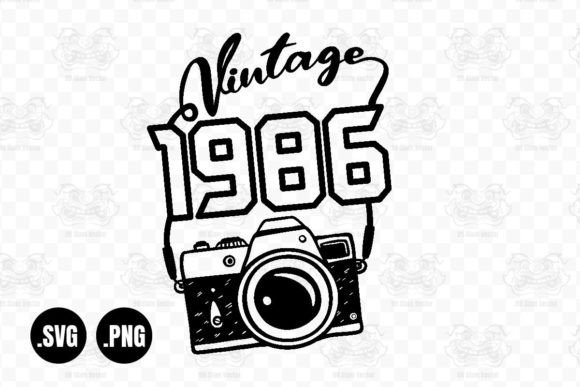
As a designer who spends half the day staring at stitch patterns and the other half worrying about client satisfaction, I don’t just buy files because they look cute in a thumbnail. I buy them because they translate well into thread. When I first pulled up the Vintage 1986 Classic Camera Svg, my immediate thought wasn’t about the nostalgia of the year itself, but rather how that specific silhouette would hold up under the needle. We are looking at a design that sits comfortably in the intersection of retro aesthetics and modern craft trends, specifically within the Crafts category as a Graphics asset designed for cutting and embroidery.
The prompt suggests this is a "Retro Year Birthday svg" with typography elements like "Made in 1986." For an embroidery professional, this combination of iconography and text is a double-edged sword. It offers high recognition value but demands careful technical execution. My goal here is to strip away the marketing fluff and tell you exactly how this file behaves when it hits your hoop, whether you are stitching a quick gift for a friend or building a line of boutique merchandise for your Etsy shop.
First Impressions: Mood and Visual Personality
The visual personality of the Vintage 1986 Classic Camera Svg is undeniably warm. It evokes a sense of analog memory, which pairs beautifully with the tactile nature of handmade products. Unlike sleek, futuristic vector art, this design feels grounded. It suggests craftsmanship, patience, and a love for the physical world—values that resonate deeply with customers buying from small business owners and craft fair vendors.
From a layout perspective, the balance between the camera graphic and the "1986" typography is crucial. If the text is too dominant, the camera becomes an afterthought; if the camera is too intricate, the year gets lost in the stitch density. In its current form, the design leans toward a clean, illustrative style. This makes it highly versatile. It doesn’t scream for attention so much as it invites the viewer to lean in closer to read the date. That subtle invitation is exactly what drives engagement on social media platforms where users scroll quickly. A design that stops the scroll by offering a moment of recognition is a valuable asset for any digital product seller.
Real-World Application: Where This Design Shines
I want to walk you through a specific scenario. Imagine you are preparing a custom embroidered tote bag for a local book club’s anniversary event, or perhaps a sweatshirt for a client celebrating their 38th birthday. The Vintage 1986 Classic Camera Svg fits these contexts perfectly. It bridges the gap between a generic birthday shirt and a personalized statement piece.
For custom apparel, particularly on heavyweight cotton blends or denim jackets, this design works exceptionally well. The classic camera shape provides a solid anchor point for the eye, while the typography adds personalization. On a tote bag design, the contrast of dark thread against a natural canvas background can make the vintage feel pop. It transforms a simple utility item into a keepsake. Similarly, for baby embroidery, such as on a muslin blanket or a onesie, the soft curves of the camera lens and the bold numbers create a gender-neutral, timeless aesthetic that parents appreciate.
In the realm of commercial embroidery, this file has strong potential for holiday gifts. Think of end-of-year corporate gifts or teacher appreciation presents. A monogrammed apron featuring this camera motif alongside the recipient's birth year feels thoughtful and unique. It elevates the perceived value of the handmade product. Customers aren't just buying a shirt; they are buying a design that acknowledges their history. This emotional connection is what separates successful Etsy sellers from those who struggle to convert browsers into buyers.
Technical Considerations and Stitch Clarity
However, not every project is a success story, and transparency is key. The Vintage 1986 Classic Camera Svg requires strategic placement regarding hoop size and fabric choice. If you attempt to digitize or use this design in a very small hoop, the details of the camera body might merge into a muddy blob, especially if you are using lower thread counts. The fine lines of the camera lens and buttons need adequate space to breathe.
When considering thread colors, contrast is your best friend. On light fabrics, darker threads will define the shape clearly. On dark fabrics, you must ensure your highlight stitches are dense enough to stand out without causing puckering. I strongly advise testing the design on scrap fabric first. Check the stitch density carefully. If the fill areas are too tight, the fabric may pucker, ruining the drape of a sweatshirt embroidery project. Conversely, if the density is too loose, the texture of the underlying material might show through, detracting from the clean look of the machine embroidery design.
Another critical factor is the stabilizer you choose. For stretchy fabrics like jersey knits used in caps or hoodies, a cut-away stabilizer is non-negotiable to prevent distortion. For woven fabrics like tea towels or pillow covers, a tear-away might suffice, but always test first. The curvature of a cap also poses a challenge. While the camera shape is relatively flat, the typography needs to be evaluated for readability when wrapped around a curved surface. If the letters become too compressed, the "1986" message is lost, and the personalization fails.
Where to Exercise Caution
There are specific applications where this design might struggle. Avoid using it on highly textured fabrics like bouclé or heavy corduroy unless you have significant experience with applique design techniques to cover the uneven surface. Thin fabrics, such as lightweight rayon or silk, require extra care to prevent the weight of the embroidery from distorting the garment. Additionally, if you plan to wash these items frequently, such as kitchen towels or work aprons, ensure the satin stitch edges are secure to prevent fraying over time.
Be mindful of the small lettering aspect. If the "1986" text includes decorative flourishes or thin serifs, ensure your machine can handle the precision. Blurry text looks unprofessional and can damage the trust you’ve built with your customers. A sharp, clear font conveys quality, while a blurry one suggests a rushed job.
Impact on Brand and Customer Trust
Using a cohesive theme like the Vintage 1986 Classic Camera Svg helps build brand consistency. If your shop focuses on nostalgic, personalized gifts, this design reinforces that identity. It signals to the buyer that you understand their aesthetic preferences. When customers see a professionally stitched embroidered patch or a neatly finished pillow cover, they associate that quality with your entire brand. This leads to repeat business and positive reviews, which are vital for growth in the craft business.
Furthermore, the versatility of this design allows for creative printable mockups. You can showcase the design on various products—hats, bags, shirts—to give potential buyers a clearer idea of the final result. This reduces uncertainty and increases conversion rates. However, remember to check the licensing terms before selling finished items. Some digital embroidery file providers restrict commercial use, so verifying these details protects your small shop product line from legal issues.
Final Verdict
The Vintage 1986 Classic Camera Svg is a solid addition to any designer’s library, provided you approach it with technical diligence. It captures a mood that resonates with buyers and offers a flexible template for personalization. Whether you are creating a heartfelt personalized gift or a scalable line of boutique branding items, this design has the potential to perform well. Just remember to respect the limitations of stitch density, fabric texture, and hoop size. Test thoroughly, choose your materials wisely, and let the quality of your finish speak for itself. By doing so, you transform a simple SVG into a tangible piece of art that customers will cherish.