Vintage 1976 Classic Camera Svg Review
As a designer who spends more time staring at stitch density charts and fabric swatches than scrolling through social media, I approach every new digital asset with a healthy dose of skepticism. The market is flooded with generic clipart, but when a file promises a specific aesthetic—like the Vintage 1976 Classic Camera Svg—I need to know if it translates well from screen to needle. This isn’t just about looking nostalgic; it’s about whether the design holds up under the tension of embroidery thread, the texture of fabric, and the scrutiny of a customer expecting a high-quality handmade product.
First Impressions: Nostalgia Meets Practicality
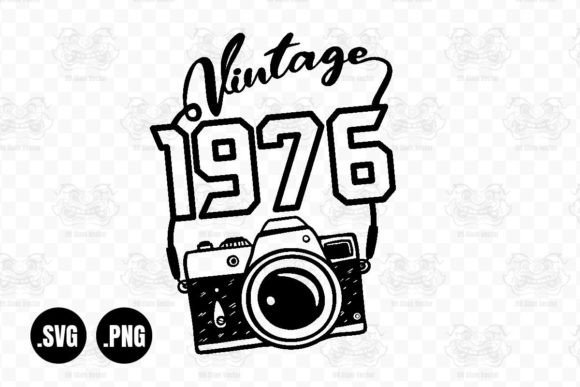
The moment I opened the preview for the Vintage 1976 Classic Camera Svg, the mood was immediately established. It captures that distinct retro vibe without leaning too heavily into cluttered details that often plague vintage-themed designs. For a designer, this is crucial. A classic camera silhouette is iconic, recognizable, and inherently balanced. When paired with the "Made in 1976" typography, it creates a cohesive narrative that speaks directly to people celebrating milestones or appreciating analog history.
Visually, the layout feels grounded. The camera shape provides a strong central anchor, while the typography complements rather than competes. This balance is exactly what you want when planning a custom apparel project. It suggests versatility. Whether you are aiming for a subtle chest logo on a sweatshirt or a larger statement piece on a tote bag, the design has enough visual weight to stand out without overwhelming the garment’s natural lines. It feels like a design born for real-world application, not just digital decoration.
Real-World Application: From Screen to Stitch
Let’s talk about where this design truly shines. In my experience, the best embroidery projects are those that feel personal yet professional. I envision this machine embroidery design performing exceptionally well on a heavy-duty canvas tote bag. The sturdy fabric can support the thread weight, and the rugged texture of canvas enhances the vintage aesthetic of the camera motif. Imagine a boutique selling these bags as limited-edition merchandise; the combination of the retro camera and the birth year typography adds instant storytelling value.
Another strong candidate is the baby item market. A soft cotton onesie or a nursery wall hanging featuring this design could be a hit for parents who appreciate mid-century modern aesthetics. The clean lines of the camera graphic translate beautifully to applique design techniques or simple satin stitch outlines, making it accessible even for those who aren’t experts in complex digitizing. However, for a more textured look, using a mix of fill stitch for the camera body and running stitch for the typography details could add a handcrafted charm that customers love.
I also see potential here for commercial embroidery in the form of embroidered patches. These are staples for craft fairs and Etsy sellers. A denim jacket adorned with a small, meticulously stitched version of this camera design becomes a unique fashion statement. The "1976" element allows for personalization, which is key in today’s market. Buyers don’t just want a product; they want something that reflects their identity. This design facilitates that connection effortlessly.
Where Caution Is Required
No design is perfect for every surface, and being honest about limitations is part of being a responsible reviewer. The Vintage 1976 Classic Camera Svg might struggle on certain substrates. If you plan to use this on a curved surface like a baseball cap, you must ensure your hoop size and stabilizer choice are precise. Curved surfaces can distort straight lines, potentially warping the camera lens or the text, which ruins the clean aesthetic we’re aiming for.
Similarly, thin or stretchy fabrics require careful handling. Without proper stabilization, the tension from the threads could pucker the fabric, especially around dense areas. I always advise testing on scrap fabric first. If you are working with dark fabric, pay close attention to your thread colors. A light-colored camera outline might get lost against black denim unless you use a contrasting background or a high-density fill. Conversely, on light fabrics, ensure the thread has enough opacity to maintain clarity.
Avoid placing intricate details in corners or near seams where the fabric might fold or stretch during wear. Also, consider the end-use of the finished product. Items that undergo frequent washing, like kitchen towels or aprons, need robust stitching. While this design looks great, ensure the digitizing (if you are creating your own file) uses secure stitches that won’t unravel after multiple laundry cycles. If you are buying a pre-digitized file, check reviews or sample photos to verify durability.
Design Notes for the Serious Crafter
To get the most out of this asset, treat it as a starting point for your creative process. Before committing to expensive materials, run a black-and-white mockup. This helps you evaluate the contrast and readability of the design independent of color distractions. It forces you to ask: Can I still read "1976" clearly? Does the camera shape remain distinct?
When selecting your stabilizer, match it to your fabric weight. Heavy tear-away for wovens, cut-away for knits. This decision impacts the final hand-feel of the product. A stiff backing can make a premium sweatshirt feel cheap, so remove excess stabilizer thoroughly after stitching.
For those selling on platforms like Etsy, presentation matters. Use this design to create printable mockups that show how the embroidery sits on different garments. Highlight the texture of the thread and the way it catches the light. This builds trust with buyers who cannot physically touch the product before purchasing. Show them the detail, the quality, and the care that went into the finished product.
Final Verdict
The Vintage 1976 Classic Camera Svg is a solid addition to any digital embroidery file library. It strikes a rare balance between nostalgic charm and modern simplicity. It works for personalized gifts, craft business inventory, and small shop products alike. Its strength lies in its adaptability—it can be a subtle accent or a bold centerpiece depending on your execution.
Just remember: the success of an embroidery project often depends less on the vector itself and more on how you prepare it. Test your stitches, choose your threads wisely, and respect the fabric. When done right, this design will not only look good but will also hold up to the test of time, much like the cameras it celebrates. For designers looking to add a touch of retro flair to their graphics collection in the Crafts category, this is a reliable, versatile, and visually appealing choice.