Vintage 1953 Classic Camera Svg Review
When I evaluate an embroidery design for real-world application, I am not just looking at the vector lines on a screen. I am thinking about thread tension, fabric stability, stitch density, and how the final product will sit in a customer’s hands. As a designer who frequently creates assets for small businesses and personal gifts, I approach the Vintage 1953 Classic Camera Svg with a critical eye. This file is marketed as a retro year birthday svg and a typography design that says "Made in 1953," but does it hold up when converted to thread? Let’s break down its practical value for your craft business or personal projects.
First Impressions: Mood and Visual Personality
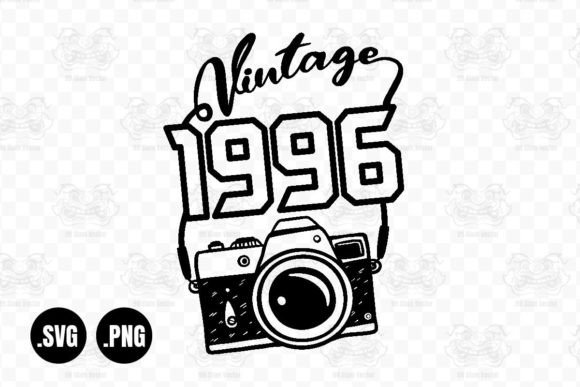
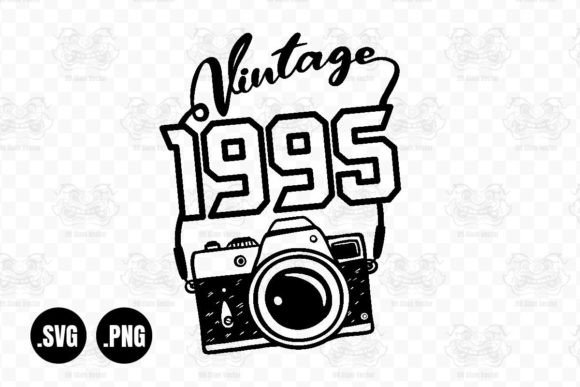
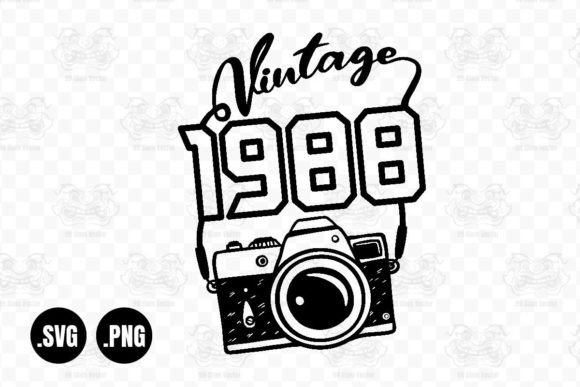
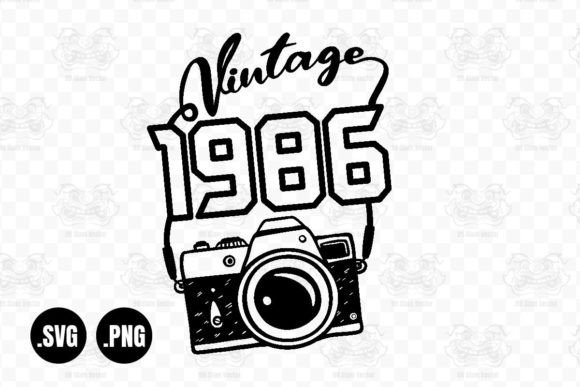
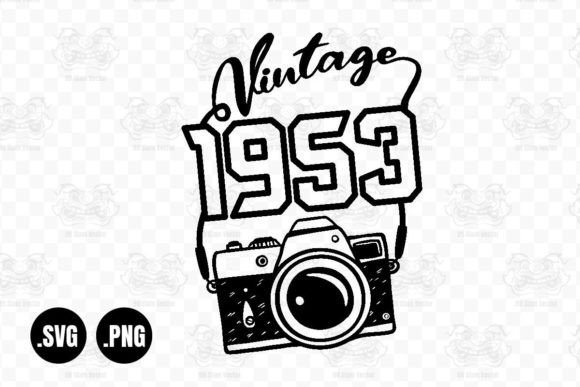
The immediate appeal of this design lies in its nostalgic weight. A vintage camera is not just an object; it is a symbol of memory, history, and preservation. For a 1953 birthday typography design, this imagery bridges the gap between a milestone age and a specific aesthetic era. The mood is warm, classic, and slightly rugged, which works exceptionally well for gender-neutral gifts or for celebrating a parent or grandparent who appreciates analog culture.
Visually, the layout balances the iconic shape of a classic SLR or rangefinder-style camera with clean, readable typography. From a design perspective, this is crucial. Many "retro" designs fail because they are too cluttered. Here, the negative space allows the eye to rest on both the illustration and the text. It feels intentional rather than decorative. For an Etsy seller or small shop owner, this kind of cohesive visual language builds brand consistency. It tells the buyer immediately that this is a thoughtful, curated item, not a mass-produced generic print.
Real-World Application: Where This Design Shines
In my experience, the Vintage 1953 Classic Camera Svg finds its best home on items that benefit from a tactile, heirloom quality. It is not a design for fast fashion; it is for pieces meant to last. Consider a custom embroidered tote bag made from heavy canvas. The camera motif pairs perfectly with the utilitarian nature of a tote, creating a look that is both artistic and functional. Alternatively, imagine this stitched onto a high-quality sweatshirt or a chunky knit sweater. The retro vibe enhances the cozy, vintage aesthetic that is currently trending in handmade apparel.
Beyond apparel, this design excels in home decor and gift items. A tea towel featuring this embroidery brings a touch of charm to a kitchen, while a pillow cover can serve as a meaningful anniversary or birthday gift. For those selling digital embroidery files or physical merchandise, the versatility is key. It works equally well as a chest pocket detail on a cap or as a larger statement piece on a baby blanket. The "Made in 1953" text adds a layer of personalization that customers love, making it an ideal personalized gift for someone celebrating their 70th or 71st birthday.
Technical Performance and Stitching Clarity
When converting an SVG to an embroidery format, the devil is in the details. The success of this machine embroidery design depends heavily on how the software interprets the shapes. The camera outline likely utilizes a combination of satin stitches for definition and fill stitches for the body, while the typography requires precise letter spacing to remain legible after stitching.
One area to watch closely is the stitch density. Vintage cameras often have intricate dials and lenses. If these elements are too small or densely packed, they may pucker the fabric or become indistinguishable blobs of thread. I recommend testing the design on scrap fabric first to ensure that the fine details of the camera lens and buttons translate clearly. If the design includes applique design elements, such as a contrasting fabric background for the camera body, it can add significant texture and depth, elevating the finished product from simple embroidery to mixed-media art.
Thread color selection is also pivotal. A classic black or charcoal gray thread for the camera body against a cream, beige, or heather gray fabric will highlight the silhouette beautifully. Dark fabrics require lighter thread colors to maintain contrast, so test your combinations before committing to a full production run. Using proper stabilizer is non-negotiable here, especially if you are working with stretchy knits like t-shirts or sweatshirts, to prevent distortion of the circular elements like the lens.
Where to Use Caution
While versatile, this design is not suitable for every surface. Avoid using it on extremely small hoop sizes where the typography might become cramped or the camera details lost. Textured fabrics, such as heavy waffle-knit towels or nubby bouclé, can obscure the finer lines of the design, leading to a muddy appearance. Similarly, thin or sheer fabrics may require additional backing to prevent show-through or puckering.
Curved surfaces like baseball caps present a challenge. While possible, the flat geometry of the camera might not follow the curve of the cap naturally without careful digitizing adjustments. Furthermore, if you are targeting products that need frequent washing, such as baby clothes or kitchen linens, ensure the stitch type used for the dense areas is durable. Decorative accents that are purely aesthetic may fray over time if not secured properly.
Impact on Product Value and Customer Trust
Using a well-executed design like the Vintage 1953 Classic Camera Svg directly impacts perceived value. Customers associate clear, professional embroidery with quality craftsmanship. When a buyer sees a crisp camera image and legible typography, they trust that the maker paid attention to detail. This trust translates into better reviews, higher engagement, and repeat business.
For commercial embroidery projects, this design offers a unique selling proposition. It stands out from the sea of generic quotes and modern minimalist icons. It appeals to an emotional trigger—nostalgia—which is a powerful driver for gift purchases. By offering this as part of your craft business inventory, you cater to a specific demographic that values heritage and style. Whether you are creating printable mockups for digital sales or shipping out physical handmade products, the professionalism of the design speaks for itself.
Practical Designer Notes
- Test Before You Sell: Always stitch a sample on the actual fabric you plan to use. Check for thread breaks, tension issues, and clarity of small details.
- Verify Licensing: Confirm whether the svg and png file includes commercial rights for selling finished items. This is critical for any Etsy seller or online store.
- Color Contrast: Test the design in black and white mockups to ensure sufficient contrast between the thread and the fabric.
- Hoop Size: Ensure your machine’s hoop size accommodates the design dimensions without requiring re-hooping, which can misalign the stitching.
- Stabilizer Choice: Match the stabilizer to the fabric weight. Cut-away stabilizers are generally safer for garments that will be washed frequently.
In conclusion, the Vintage 1953 Classic Camera Svg is a strong candidate for designers seeking to add a touch of retro elegance to their portfolio. Its thematic relevance, combined with a clean visual structure, makes it suitable for a wide range of embroidery project types. With careful attention to stitch execution and fabric choice, this design can help you create memorable, high-quality products that resonate with customers.