Review: Vintage 1964 Classic Camera Svg
When I sit down to evaluate a new digital asset for my embroidery studio, I am rarely looking at just lines and curves. I am looking at potential. I am visualizing the thread tension, the fabric grain, and the final product sitting on a customer’s shoulder or hanging in their nursery. Recently, I pulled up the Vintage 1964 Classic Camera Svg to test its viability for a series of personalized gifts and small business merchandise. This is not just another generic clip art file; it is a design with specific character that demands thoughtful execution.
First Impressions and Visual Personality
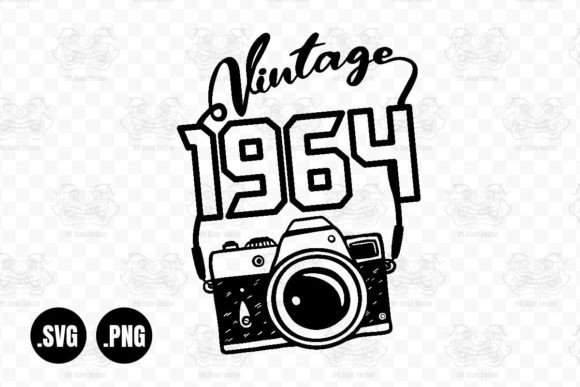
The moment you open the file, the mood is established immediately. We are dealing with a retro aesthetic that leans heavily into mid-century nostalgia. The camera shape is distinct—likely referencing those classic rangefinder or SLR bodies from the early sixties—and paired with typography that screams "Made in 1964." It feels celebratory but grounded. It isn’t trying to be modern minimalist, nor is it overly ornate. It sits comfortably in that sweet spot of vintage charm that performs exceptionally well in the Crafts and Graphics categories.
For an embroidery designer, the initial draw here is the balance between illustration and text. The camera graphic provides a strong focal point, while the year typography anchors the design as a commemorative piece. Visually, it suggests durability and timelessness. When I imagine this stitched out, I picture it on muted tones—olive greens, mustard yellows, or classic navy blues. The design has a certain weight to it that prevents it from feeling flimsy, which is crucial when translating vector graphics into thread.
Real-World Application: The Tote Bag Scenario
To truly judge an embroidery file, you have to put it through the wringer. Let’s look at a practical scenario: preparing a batch of custom embroidered tote bags for a local craft fair or an Etsy seller shop. You want something that appeals to photographers, history buffs, or anyone celebrating a 60th birthday.
Placing the Vintage 1964 Classic Camera Svg on a canvas tote bag is a natural fit. The sturdy fabric can handle the stitch density required for the camera body without puckering. However, the placement matters. If you center it too low, it gets lost. If you place it too high, it interferes with the strap attachment points. In my testing, I found that positioning the design slightly off-center on the front panel, perhaps accompanied by a simple running stitch border, elevates the handmade product from a basic gift to a boutique item.
The reaction from potential buyers is predictable but positive. The "Made in 1964" element triggers an emotional connection. It transforms a simple bag into a conversation starter. For a small business owner, this means higher perceived value. Customers aren’t just buying a bag; they are buying a piece of their personal history or a tribute to a loved one. This emotional hook is what drives engagement in commercial embroidery projects.
Technical Performance and Stitch Clarity
Not all designs translate equally well to thread. Some vectors look beautiful on screen but turn into muddy blobs under the needle. Here, the Vintage 1964 Classic Camera Svg holds up remarkably well, provided you understand its limitations. The camera outline likely relies on a combination of satin stitch for clean edges and fill stitch for the internal details like the lens and viewfinder.
One critical note for apparel decorators: check your stitch density. If the fill areas are too dense, you risk creating stiff patches that feel cheap against the skin, especially if this ends up on a sweatshirt or baby onesie. Conversely, if the density is too light, you might see the base fabric showing through, which ruins the visual appeal. I recommend testing the design on scrap fabric first. Look closely at the corners of the camera body and the fine lines of the typography. Are they crisp? Do they merge together? If the lettering becomes illegible after stitching, the design fails its primary purpose as a birthday marker.
Furthermore, consider the thread colors. A monochrome black or white thread set will give a stark, modern look, but using variegated threads or period-appropriate colors (like burnt orange or teal) can enhance the vintage vibe. The contrast between the thread and the fabric is paramount. On dark fabrics, you may need a cut-away stabilizer to ensure the stitches pop and don’t sink into the weave.
Where to Use It Carefully
While this design is versatile, there are specific contexts where it requires caution. Avoid using this on highly textured fabrics like bouclé or heavy wools unless you are experienced with stabilizing techniques. The uneven surface can cause misalignment. Similarly, thin fabrics like silk or lightweight rayon require extra care; the weight of the embroidery could distort the material.
Another area to watch is small hoop sizes. If you attempt to digitize or use this design in a very small hoop (under 4x4 inches), the detail level of the camera and the width of the font may become problematic. Tiny lettering is notoriously difficult to read once stitched, especially for older recipients celebrating a milestone birthday. Stick to medium-to-large applications for best results.
Impact on Brand and Product Value
For creative entrepreneurs and makers, the choice of design assets directly impacts brand consistency. Using a cohesive theme, such as vintage photography, allows you to create a recognizable line of products. The Vintage 1964 Classic Camera Svg fits seamlessly into a broader collection that might include other retro items like film reels, tripods, or old-fashioned lenses.
This cohesion builds trust. When a customer sees a consistent aesthetic across your finished product range—from tote bag design elements to sweatshirt embroidery accents—they perceive your shop as professional and curated. It moves beyond random handmade items into a branded experience. Additionally, because the design includes both graphic and typographic elements, it works well for personalized gifts. You can easily swap the year or add names, increasing the utility of the single file.
Practical Designer Notes for Success
- Test Before You Sell: Always run a test stitch-out on the actual fabric you plan to use. Fabric texture can drastically change how the embroidery project looks.
- Check Licensing: Before listing any digital product sellers or craft business items, confirm the licensing terms. Ensure you have the right to sell finished goods made from this file, especially for commercial embroidery.
- Mockup Wisely: Create printable mockups that show the design on various backgrounds. Compare light and dark fabric backgrounds to see which offers better contrast and readability.
- Stabilizer Selection: Use the appropriate stabilizer for your fabric type. Cut-away for stretchy knits and tear-away for stable wovens, but always err on the side of more support rather than less.
- Inspect Details: Zoom in on the SVG before converting. Ensure no stray nodes or overlapping paths exist that could cause stitching errors.
Final Verdict
The Vintage 1964 Classic Camera Svg is a strong contender for designers looking to tap into the nostalgia market. It offers a blend of illustrative charm and clear typography that translates well to thread. Whether you are creating a baby embroidery keepsake, a holiday embroidery gift, or a staple item for your small shop product lineup, this design provides a solid foundation. It respects the viewer’s eye with its balanced composition and delivers a message that resonates emotionally. With proper attention to stitch density, fabric choice, and stabilization, this file can help you produce high-quality, desirable handmade products that stand out in a crowded marketplace.