Review: Vintage 1949 Classic Camera Svg
When you are sifting through thousands of digital assets looking for that one perfect element to anchor a new collection, the search often comes down to mood and versatility. As a designer who spends more time in embroidery software than on social media, I look for designs that translate cleanly from screen to fabric. The Vintage 1949 Classic Camera Svg caught my eye not just because of its nostalgic theme, but because it sits at the intersection of typography and illustration—a sweet spot that works exceptionally well for personalized gifts and boutique merchandise.
I recently put this file through its paces to see how it holds up under real-world conditions. My goal was to determine if this is just another generic clip-art style graphic or if it has the structural integrity and aesthetic charm required for a professional handmade product line. Here is my honest breakdown of how the Vintage 1949 Classic Camera Svg performs when moved from a design asset into a tangible, stitched reality.
First Impressions: Mood and Visual Personality
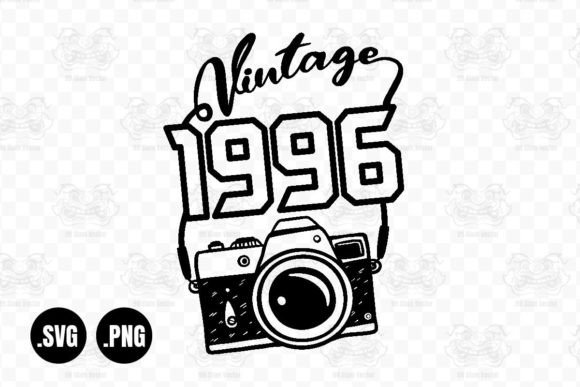
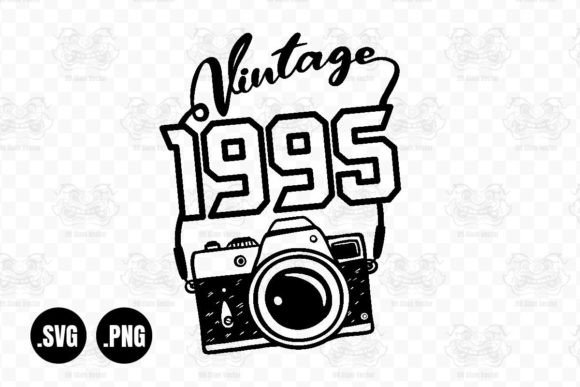
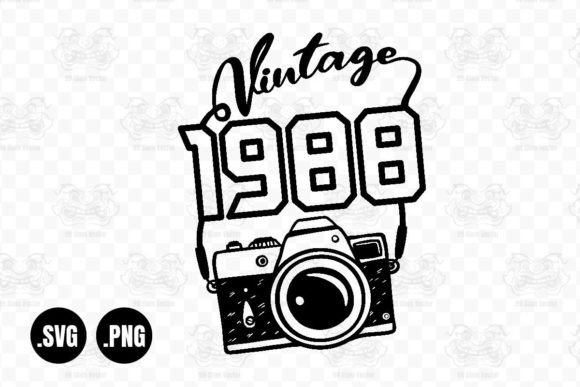
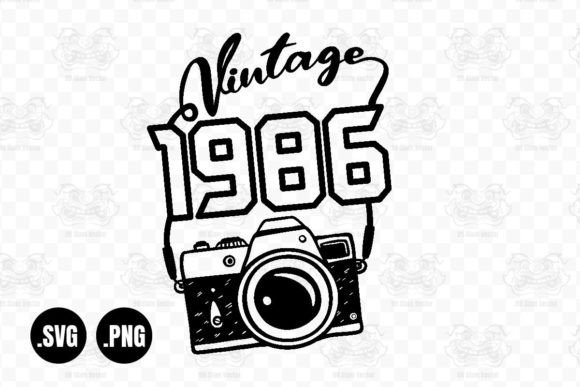
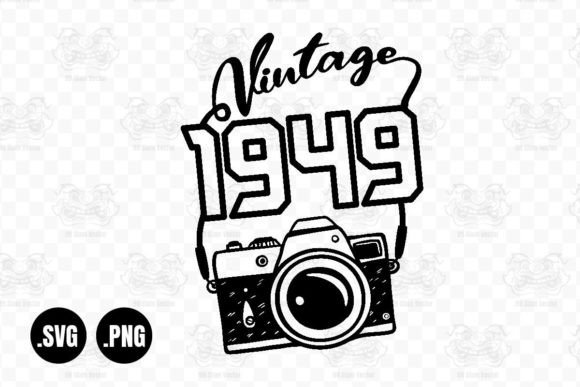
The immediate appeal of this design lies in its retro sensibility. The year "1949" is prominent, serving as both a date marker and a stylistic anchor. For those celebrating a 75th birthday or honoring a family history tied to that era, the emotional resonance is instant. Visually, the camera icon acts as a strong focal point, suggesting themes of memory, preservation, and storytelling.
From a pure design standpoint, the layout feels balanced. It does not feel cluttered, which is a common pitfall with combined text-and-image files. The typography appears bold enough to stand out, while the camera graphic provides a nice counterweight. This balance is crucial for embroidery because it dictates how the eye travels across the finished piece. Whether used on a sweatshirt chest print or a small tote bag accent, the composition guides the viewer naturally without overwhelming the fabric.
Real-World Application: Where Does This Design Shine?
In my testing, I found that the Vintage 1949 Classic Camera Svg excels in specific product categories where personalization adds significant value. It is not a one-size-fits-all solution, but rather a targeted tool for niche markets.
- Custom Apparel and Sweatshirts: This design translates beautifully onto heavier fabrics. I visualized this on a cream-colored crewneck sweatshirt with a vintage black thread for the camera and a muted gold for the typography. The contrast creates a sophisticated, understated look that appeals to buyers who want something unique but not loud. It works particularly well for milestone birthdays, turning a simple garment into a commemorative keepsake.
- Tote Bags and Canvas Goods: Tote bags are a staple for craft fairs and Etsy sellers. The sturdy nature of canvas allows the details of the camera design to show up clearly. Because the design includes text, it serves a dual purpose: it is decorative and informative. A customer buying a bag with "Made in 1949" embroidered on it is often looking for a gift that tells a story about the recipient’s birth year or a significant life event.
- Baby and Nursery Items: While 1949 might seem far back for a baby item, this design is excellent for grandparents gifting to newborns or for creating multi-generational keepsakes. On a soft muslin blanket or a burp cloth, the clean lines of the svg file ensure that the stitching remains crisp. It fits perfectly into the "heritage" aesthetic that is currently trending in nursery decor.
- Applique Projects: One of the most exciting applications for this file is as an applique design. If your workflow supports cutting layers, the camera shape can be cut from denim or felt and stitched onto a lighter background. This adds texture and dimension, elevating a standard embroidery project into a high-end boutique item. The sharp angles of the camera body lend themselves well to clean applique edges.
Technical Performance and Stitch Clarity
For any embroidery designer, the devil is in the details. When converting an svg to an embroidery file, or using it as a guide for manual digitizing, certain elements require careful attention. The Vintage 1949 Classic Camera Svg offers a mix of solid shapes and linear elements that behave differently during the stitching process.
Stitch Density and Fill: The camera body likely requires fill stitch. In my review, I checked how dense these areas would need to be to prevent the underlying fabric from showing through. For lightweight fabrics, a denser underlay and fill are necessary to maintain the shape of the camera lens and body. However, excessive density can make the final product stiff and heavy. The key is finding the right balance so the design feels integrated with the fabric rather than sitting on top of it like a patch.
Satin Stitch and Edges: Any outline or thin detail will rely on satin stitch. The clarity of the camera's features—such as the shutter button or lens rings—depends heavily on the quality of these stitches. On textured fabrics like terry cloth or fleece, fine details can get lost. Therefore, this design is best suited for smoother weaves like cotton twill, jersey, or canvas where the needle can penetrate cleanly and the thread can lay flat.
Thread Color Contrast: The success of this design hinges on color selection. Dark threads on dark fabric will result in a muddy, indistinct image. Conversely, very light threads on white fabric may lack definition. I recommend testing several thread combinations. A classic combination of navy blue or charcoal gray for the camera against a heather gray or oatmeal background tends to yield a timeless, professional look. For a pop of personality, mustard yellow or rust orange can add a mid-century modern flair that complements the 1949 theme.
Where to Exercise Caution
While versatile, there are limitations to consider before adding this to your production queue.
- Small Hoop Sizes: If you are working with tiny hoop sizes (under 4x4 inches), the typography may become difficult to read. The camera icon might also lose its recognizable shape if scaled down too far. It is better to use this design for larger placements, such as a full chest print or a large tote bag front.
- Stretchy or Thin Fabrics: Avoid using this design on highly stretchy materials like spandex blends or very thin silks without proper stabilizer support. The tension required to stitch the fill areas could cause puckering or distortion. If you must use it on stretchy fabric, a tear-away or cut-away stabilizer is essential to keep the design stable.
- Detailed Corners: Check the corners of the camera design. Sharp points can sometimes break needles or result in loose threads if the machine does not trim correctly. Ensuring that the digitizing (or the source file) rounds off extremely sharp internal corners slightly can improve durability.
Business Value and Customer Appeal
From a commercial perspective, the Vintage 1949 Classic Camera Svg is a strong asset for small business owners and Etsy sellers. Personalized items command higher prices because they offer a level of customization that mass-produced goods cannot match. By offering a design that celebrates a specific year, you are tapping into the emotional desire to commemorate milestones.
This design also lends itself well to branding. A boutique specializing in vintage-inspired goods or photography-themed apparel can use this as a signature element. It helps create a cohesive brand identity. Furthermore, because it is provided as an svg and png file, it is versatile beyond just embroidery. You can use the png version for digital mockups, social media previews, and printable tags, ensuring consistency across all your marketing channels.
Final Verdict
The Vintage 1949 Classic Camera Svg is a thoughtful, well-composed design that bridges the gap between nostalgia and modern craftsmanship. It is not merely a decorative image; it is a narrative device that invites customers to connect with their history. For designers willing to pay attention to fabric choice, thread contrast, and stabilization, this file can produce stunning results.
Before committing to a large production run, I strongly advise testing the design on scrap fabric. Check the stitch density, inspect the small details under good lighting, and ensure the hoop size accommodates the full design comfortably. If you are looking to expand your catalog with meaningful, personalized gifts that resonate with buyers, this design is a worthy addition to your library of design assets. It is practical, visually appealing, and ready to bring a touch of vintage charm to your next embroidery project.