Review: Chasing Rainbows. Inspirational Retro Embroidery Design
When I sit down to review a new digital embroidery file, I am rarely looking for perfection in the abstract sense. I am looking for viability. Does this design hold up when it is stitched onto a real garment? Will it translate well into a handmade product that an Etsy seller can ship without worrying about customer complaints? Today, I am putting Chasing Rainbows. Inspirational Retro through its paces. This Crafts category asset, presented as high-resolution graphics and vector files, promises a specific aesthetic that has been trending heavily in the boutique market. But does the execution match the hype?
First Impressions and Visual Personality
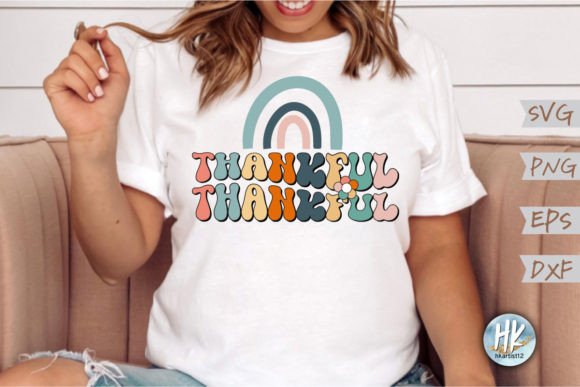
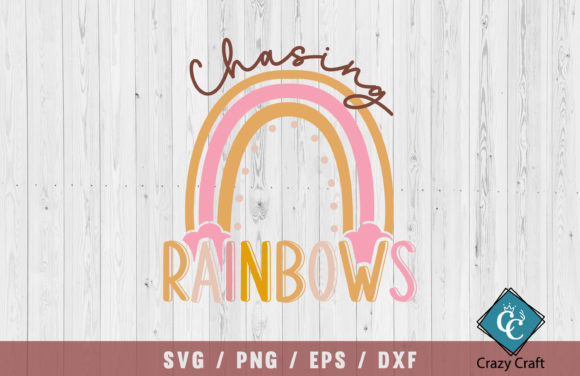
The moment you load the preview of Chasing Rainbows. Inspirational Retro, the mood is immediately established. It leans heavily into a nostalgic, mid-century modern vibe with a touch of whimsical optimism. The layout feels balanced, avoiding the cluttered look that often plagues retro-themed designs. For a designer, this clarity is crucial. When converting these design assets into a physical embroidery project, every curve and line needs intention.
The theme suggests warmth and positivity, making it an ideal candidate for personalized gifts. However, the "retro" aspect requires careful handling. If the lines are too thin or the detail too intricate, the final result may look muddy rather than vintage. From a visual standpoint, the design personality is confident but approachable. It does not scream for attention; instead, it invites the viewer in. This subtlety is exactly what makes a piece feel professional rather than amateurish.
Real-World Application: The Tote Bag Scenario
To truly evaluate this machine embroidery design, I imagine placing it on a standard canvas tote bag. This is a staple item for any Etsy seller or craft fair vendor. The challenge here is scale and contrast. A tote bag fabric is often textured and slightly uneven. If Chasing Rainbows. Inspirational Retro relies on tiny, delicate details, they might get lost in the weave of the canvas.
Assuming the vector files allow for resizing, the strength of this design lies in its adaptability. If I were to center this on a natural-colored canvas bag, using a bold thread color like mustard yellow or deep teal, the retro appeal would shine. The design would serve as a strong focal point, elevating a simple $5 tote into a $20 boutique item. Customers respond well to designs that feel curated and thoughtful. A well-executed tote bag design like this one signals quality before the customer even touches the handle.
Performance on Different Fabrics and Garments
Beyond totes, where else does this embroidery file thrive? I see significant potential in sweatshirt embroidery. The chest pocket area or the left breast of a crewneck sweatshirt is a classic placement for inspirational quotes and graphic elements. The soft cotton-poly blend of most sweatshirts provides a stable base, allowing the stitches to sit cleanly. Here, the retro aesthetic pairs beautifully with heather grey or oatmeal fabrics.
Baby embroidery is another strong contender. Parents love items that convey gentle sentiments. If the design features soft curves and open spaces, it translates wonderfully to burp cloths, bibs, or small onesies. The key here is safety and comfort; the stitch density must not be so high that it creates a stiff, scratchy patch against a baby’s skin. This design appears to have enough negative space to keep the hand-feel relatively soft, which is a major selling point for small shop products aimed at new parents.
For custom apparel like t-shirts, the design works best when placed strategically. A large back print might overwhelm the wearer, whereas a smaller, centered chest logo feels more wearable and versatile. The versatility of having editable vector files means you can tweak the proportions to fit different garment sizes without losing the integrity of the artwork.
Where Caution Is Required
Not every surface is created equal, and there are specific areas where Chasing Rainbows. Inspirational Retro might struggle if not handled with care:
- Small Hoop Sizes: If you attempt to digitize or stitch this in a very small hoop (under 4x4 inches), fine details may become indistinguishable. Always check the minimum viable size before committing to small accessories.
- Textured and Stretchy Fabrics: Avoid applying this to highly textured fabrics like heavy boucle or extremely stretchy spandex blends without proper stabilization. The distortion can warp the retro shapes, making them look unintentional and sloppy.
- Dense Stitch Areas: If the design includes dense fill stitches, test the stitch density carefully. Too much thread in one area can cause puckering, especially on lightweight fabrics like tea towels or thin jersey.
- Curved Surfaces: While caps are popular, flat designs do not always conform well to curved brims or crowns without specialized digitizing. This design looks flatter and better suited for flat surfaces like aprons or pillow covers.
Technical Considerations for the Designer
As a reviewer, I must emphasize the technical steps that separate a good result from a great one. Simply loading the file is not enough. You must inspect the thread colors you plan to use. A retro design often relies on specific color palettes to achieve its vintage look. Using neon threads might clash with the intended mood, while muted, earthy tones will enhance it.
Always test the design on scrap fabric first. This allows you to adjust the hoop size and check the tension. Pay close attention to how the satin stitch edges behave; if they are too tight, they may dig into the fabric. If they are too loose, the outline may appear ragged. Additionally, consider testing the design in a black-and-white mockup. This helps you see the true value contrast and composition without the distraction of color, ensuring the shape reads clearly.
Using the correct stabilizer is non-negotiable. For woven fabrics, a cut-away stabilizer provides lasting support, preventing the design from shifting over time. For knits, a tear-away or wash-away might suffice depending on the weight of the garment. Ignoring these basics can ruin even the best graphics.
Commercial Viability and Branding
For the craft business owner, Chasing Rainbows. Inspirational Retro offers strong commercial potential. It fits seamlessly into collections focused on self-care, mindfulness, or home decor. The inspirational nature of the title and imagery makes it highly giftable, particularly for holidays, birthdays, or housewarming presents. Holiday embroidery collections often feature seasonal motifs, but evergreen inspirational designs have a longer sales lifecycle because they can be marketed year-round.
When creating printable mockups for your online store, ensure the lighting highlights the texture of the embroidery. Buyers want to see the depth and quality of the stitching. A clear, high-quality image builds trust and reduces return rates caused by mismatched expectations. Furthermore, ensure you have reviewed the licensing terms included with the download. Even if the files are editable, you must confirm whether you have the right to sell finished physical items or digital derivatives. Protecting your commercial embroidery rights is essential for long-term success.
Final Verdict
Chasing Rainbows. Inspirational Retro is a solid addition to any designer’s library. It balances aesthetic appeal with practical usability. It is versatile enough for apparel decorators and niche enough for boutique sellers to stand out. By paying attention to fabric choice, stitch density, and presentation, you can transform this digital file into a tangible product that customers love. It is not just a design; it is a tool for creating meaningful, handmade connections.