Family T-shirt Design: A Real-World Embroidery Review
As someone who has spent years reviewing embroidery files and testing them on everything from delicate baby rompers to heavy-duty work aprons, I know that the difference between a good digital file and a finished masterpiece often comes down to one thing: how it behaves in the hoop. Today, we are looking at Family T-shirt Design, a retro Christmas SVG design that promises versatility for cutting machines and digital projects. But does it translate well into actual machine embroidery? Can it stand up to the rigors of a small business product line or a heartfelt holiday gift?
My goal here isn't just to list features but to walk you through a practical evaluation based on real-world application. Whether you are an Etsy seller looking to expand your holiday inventory or a hobbyist wanting to create a unique family tradition, understanding the nuances of this design is crucial before you hit the "start" button on your machine.
The First Impression: Mood and Visual Personality
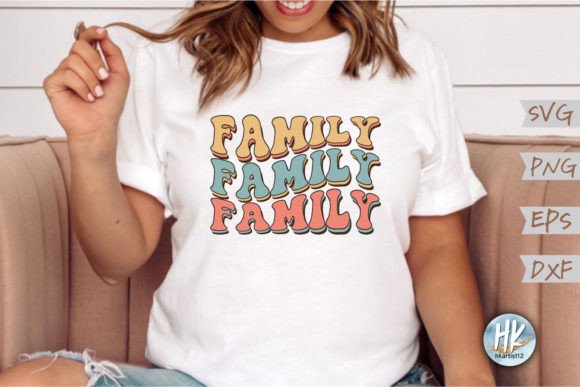
When you first open the folder containing Family T-shirt Design, the immediate feeling is one of warmth and nostalgia. The retro aesthetic creates a specific mood that feels cozy, inviting, and distinctly festive without being overwhelming. Unlike many modern designs that rely on complex gradients or hyper-realistic details which can get lost in stitching, this design leans into bold shapes and clear lines. This is a smart choice for embroidery, where detail is often sacrificed for durability.
The layout suggests a central focal point that works beautifully as a chest pocket placement or a large back print. It has a visual personality that screams "handmade," which is exactly what buyers are looking for when they purchase personalized gifts. However, the retro style requires careful consideration regarding thread selection. If you choose colors that clash with the vintage vibe, the design loses its charm. Conversely, using muted tones like sage green, mustard yellow, or deep burgundy against a cream background could elevate the embroidery project from a simple craft item to a boutique-quality piece.
Real-Life Scenario: The Holiday Boutique Challenge
Let's imagine a specific scenario. You are preparing for the holiday season, and you want to launch a limited collection of custom embroidered tote bags and sweatshirts for your small shop. You decide to use Family T-shirt Design as the centerpiece. Your target audience values authenticity and wants something that feels personal, not mass-produced.
In this context, the design performs admirably. The clean lines of the retro Christmas theme stitch clearly on canvas totes and cotton blends, creating a crisp look that customers love. When applied to a sweatshirt, the design acts as a statement piece that doesn't feel bulky. The stitch density appears balanced enough to maintain structure without causing the fabric to pucker, which is a common complaint with dense holiday motifs.
However, the success of this project depends heavily on your preparation. For the tote bags, you would need a sturdy stabilizer to handle the weight of the threads. For the sweatshirts, a cut-away stabilizer might be necessary to prevent the design from stretching out after washing. If executed correctly, the finished product carries a high perceived value. Customers aren't just buying a shirt; they are buying a memory of a family tradition, and the quality of the finished product reflects directly on your brand reputation.
Where to Be Cautious: Fabric and Hoop Limitations
While Family T-shirt Design is versatile, it is not a magic bullet for every situation. As an experienced designer, I have to highlight areas where caution is required. First, consider the hoop size. If you attempt to stitch this on a very small hoop, such as those used for jewelry or tiny patches, the intricate details of the retro elements might get lost or merge together. Always check the digitization to ensure the minimum dimensions match your intended output.
Fabric texture plays a significant role here. On textured fabrics like chunky knits or bouclé, the design might struggle to lay flat. The contrast between the thread and the fabric texture can sometimes obscure the fine lines of the SVG. Similarly, if you are working with stretchy fabrics like thin jersey or spandex blends, you must be extremely diligent with stabilizers. Without proper support, the running stitch or satin stitch sections could distort, leading to a wavy appearance that detracts from the professional look.
Dark fabrics present another challenge. While the design is likely vector-based, the thread colors you choose will determine visibility. If you are using light threads on dark fabric, ensure the coverage is sufficient. If the design relies on negative space or thin outlines, these details might disappear entirely against a black background. In these cases, a lighter underlay or a contrasting border might be needed to make the embroidery file pop.
Technical Considerations for Commercial Success
For those of you running a craft business or selling on platforms like Etsy, the technical execution of Family T-shirt Design impacts your bottom line. Consistency is key. If you send five orders out with slight variations in alignment or thread tension due to poor setup, customer trust erodes quickly. Before launching a commercial line, test the design on scrap fabric first. Check the thread color contrast by viewing it in both natural light and indoor lighting, as artificial lights can change the perception of color significantly.
You should also review the stitch density carefully. High-density areas can cause the fabric to stiffen, making items like baby clothes uncomfortable. If the design includes fill stitch areas, ensure they are not too thick for the garment type. For example, a stiff patch on a baby onesie might irritate sensitive skin. Adjusting the density or simplifying the fill pattern can make the personalized gift much more wearable and appealing to parents.
Don't forget to inspect small details. Sometimes, what looks perfect on a computer screen becomes a tangled mess of thread when stitched. Use a magnifying glass or zoom in on your monitor to check for any overlapping paths or tiny gaps that could cause threading issues. Testing in black and white mockups can also help you visualize the contrast levels before committing to expensive thread colors.
Final Thoughts on Value and Versatility
Ultimately, Family T-shirt Design offers a strong foundation for a wide range of applications, from holiday embroidery projects to custom apparel for small shops. Its retro charm adds a layer of emotional connection that generic designs simply cannot match. When paired with the right materials and techniques, it transforms into a premium handmade product that customers will cherish.
Remember to confirm licensing terms before selling finished items or digital products derived from this file. Ensure you understand whether you can use it for commercial purposes or if it is restricted to personal use. By taking the time to evaluate the design thoroughly—checking stabilizers, testing on different fabrics, and refining your thread choices—you can ensure that your final output meets the high standards expected by today's discerning buyers.
Whether you are creating a tote bag design for a market stall or a sweatshirt embroidery set for a family reunion, this design has the potential to shine. Treat it with the respect it deserves, and it will reward you with beautiful, durable, and meaningful results.