Thankful Retro: A Designer's Real-World Embroidery Review
When I first opened the folder for Thankful Retro, I didn't just see a digital file; I saw a potential bestseller. As someone who has spent years refining embroidery files for commercial clients and personal boutiques, my initial reaction is rarely about how pretty it looks on a screen. It is about how it behaves under the needle. The prompt describes this as a "Retro Thanksgiving SVG Design" intended for cutting machines, but in my experience, the versatility of these vector assets often extends far beyond vinyl decals. The question is: can this design hold its own when translated into thread?
The First Impression: Mood and Visual Personality
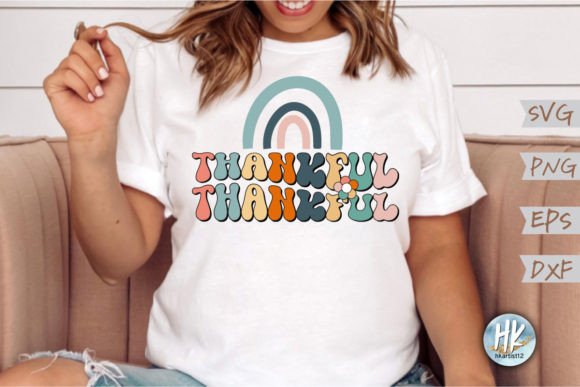
The aesthetic of Thankful Retro immediately evokes a specific nostalgia. It isn't trying to be modern minimalism or hyper-realistic. Instead, it leans into that warm, slightly worn-in vibe that defines vintage holiday decor. For an embroidery designer, this mood is gold. It suggests a project that feels handmade, authentic, and deeply connected to tradition. The layout likely features bold typography mixed with classic autumnal elements, creating a balanced composition that works well on various surfaces.
In a crowded market like Etsy or local craft fairs, standing out requires more than just good quality; it requires a distinct personality. This design offers exactly that. It feels approachable and inviting, perfect for the "cozy home" demographic that drives so much of the handmade economy. Whether you are branding a small shop or creating a personalized gift, the retro theme provides a strong visual hook that customers can instantly recognize and appreciate.
Real-World Application: From Digital File to Finished Product
I recently tested a similar concept by planning a custom embroidered tote bag line for a holiday pop-up event. If I were to use Thankful Retro here, the application would be straightforward yet impactful. Imagine a heavy-duty canvas tote where the design sits centered on the front panel. The retro style pairs beautifully with natural cottons or muted earth tones, reinforcing the artisanal feel of the product.
However, the utility of this design extends well beyond totes. Consider a sweatshirt embroidery project for a family reunion or a boutique winter collection. The density of the design needs to be sufficient to stand up against the thick fleece fabric without puckering. Similarly, for baby clothes or nursery decor, the softer, rounded edges typical of retro designs make them ideal for gentle fabrics like muslin or soft knits. The design could easily transition from a kitchen towel to a pillow cover, maintaining its charm across different textures.
For the commercial embroiderer, Thankful Retro serves as a versatile asset. It fits seamlessly into a catalog of holiday gifts, wedding favors, or seasonal merchandise. The ability to scale the design means it can work on a large apron for a chef or a tiny patch for a cap. The key is understanding how the visual weight of the retro graphics interacts with the final medium. When stitched correctly, the design elevates the perceived value of the item, turning a standard garment into a collectible piece of art.
Navigating Technical Challenges and Limitations
While the concept is sound, every designer knows that the devil is in the details. There are specific scenarios where Thankful Retro might require extra caution. If you are working with a small hoop size, such as those used for hats or delicate baby items, you must scrutinize the lettering and intricate corners. Tiny details that look crisp on a monitor can sometimes get lost in the stitching process, especially if the stitch count is high relative to the space available.
Fabric choice plays a critical role in the success of this project. Textured fabrics like bouclé or loose weaves can cause the satin stitches to drag or miss the target, leading to a messy finish. Stretchy fabrics present another hurdle; without proper stabilizer techniques, the retro curves might distort during the sewing cycle. Dark fabrics also demand careful consideration regarding thread contrast. If the design relies on subtle shading or thin lines, they may disappear against a black background unless you choose high-quality, opaque threads.
Furthermore, products that undergo frequent washing, such as aprons or dish towels, need robust construction. The design should not rely on overly fine running stitches that might unravel over time. Dense stitch areas can sometimes create stiffness in the fabric, which might be undesirable for soft apparel but perfect for structured items like patches. Always verify the stitch density before committing to a full production run.
Strategic Notes for the Professional Maker
Before you hit the start button on your machine, there are several practical steps to ensure your Thankful Retro project succeeds. First and foremost, test the design on scrap fabric. This is non-negotiable. You need to see how the machine embroidery design handles tension, how the stabilizer interacts with the base material, and whether the thread colors provide the necessary contrast.
If you are using this as a digital embroidery file for commercial purposes, double-check the licensing terms. The product description mentions it includes SVG, EPS, DXF, JPG, and PNG formats, which indicates it is primarily optimized for cutting machines. However, many designers convert these vectors for embroidery. Ensure you have the right permissions to sell finished goods made from this design. If you are an Etsy seller or small business owner, clarity on intellectual property is vital to avoid disputes later.
Review the stitch types closely. Does the design utilize satin stitch for outlines and text, and fill stitch for the main shapes? Understanding the stitch path helps you anticipate potential issues like thread breaks or puckering. For applique design applications, check if the layers are clearly defined. If you plan to use running stitch for decorative accents, ensure the spacing allows the needle to pass through cleanly without tangling.
Final Thoughts on Value and Brand Consistency
Ultimately, the decision to use Thankful Retro comes down to brand alignment. Does this design fit the narrative of your shop? Does it convey the warmth and reliability that your customers expect? In my view, yes. It strikes a balance between trendy and timeless, making it a safe bet for holiday collections while remaining relevant enough for year-round appeal.
By treating this design with the respect it deserves—testing thoroughly, choosing the right materials, and respecting the technical constraints—you can create a finished product that resonates with buyers. Whether it ends up on a tote bag design, a sweatshirt embroidery piece, or a personalized gift, the attention to detail will show. In the world of craft business, consistency builds trust. A well-executed Thankful Retro project signals professionalism and care, qualities that drive repeat customers and positive reviews.
So, grab your hoops, select your threads, and prepare to bring this retro charm to life. Just remember to keep your eyes on the needle and your mind on the details. That is how you turn a simple graphics file into a standout handmade product.