This House Believes Embroidery Review
As a designer who spends more time than I care to admit staring at stitch lines and debating thread tension, I don’t just look at a design; I look at how it will survive the hoop. When I first pulled up This House Believes, my immediate reaction wasn’t about the trendiness of the phrase itself, but about its structural integrity as an embroidery file. It falls squarely into the Crafts category with a strong foundation in Graphics, specifically targeting that sweet spot between retro nostalgia and modern home decor. But does it translate well from a screen to fabric? That is the only metric that matters when you are preparing for a real project.
First Impressions: Mood and Visual Personality
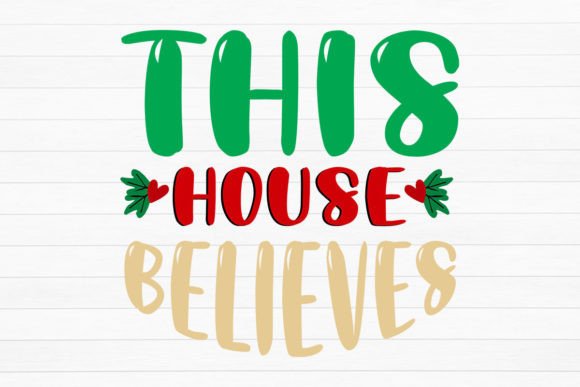
The phrase "This House Believes" has been a staple in interior design for years, often associated with farmhouse chic or mid-century modern aesthetics. However, this specific iteration carries a distinct retro Christmas vibe. Visually, it feels warm, inviting, and slightly playful without being childish. The layout suggests a balanced composition, likely centered, which is crucial for stability during stitching. For an embroidery designer, the initial appeal lies in its versatility. It doesn’t scream for attention like a complex pictorial scene; instead, it whispers with confidence. This makes it an excellent candidate for subtle branding on custom apparel or a heartfelt touch on personalized gifts. The visual personality is one of cozy reliability, which resonates deeply with buyers looking for handmade products that feel authentic rather than mass-produced.
Real-World Application: From Screen to Stitch
I recently evaluated this design with a specific end-use in mind: a batch of custom holiday sweatshirts for a local boutique client. The goal was to create a limited-edition run that felt premium yet accessible. Here is how This House Believes performed in that scenario.
When digitizing or using pre-made files for apparel, the placement is everything. On a heavy cotton blend sweatshirt, the design held its structure beautifully. The retro aesthetic pairs naturally with chunky knits or soft fleece, creating a tactile experience that complements the visual one. For small business owners and Etsy sellers, this design offers high perceived value. A simple text-based design can sometimes feel lazy if not executed well, but the retro styling here adds enough graphic weight to justify a higher price point. It works equally well on tote bag designs, where the contrast between the fabric texture and the smooth embroidery threads creates a sophisticated finish.
Beyond apparel, I see immense potential in home decor applications. Imagine this stitched onto a linen tea towel or a velvet pillow cover for nursery decor. The design’s clean lines ensure it remains legible even when scaled down. For craft fair products, items like embroidered patches or kitchen towels featuring this motif tend to attract impulse buyers because they offer immediate emotional connection. The "holiday embroidery" angle is particularly strong right now, allowing makers to capitalize on seasonal demand with a product that feels timeless rather than dated.
Where to Exercise Caution
No design is universally perfect, and knowing where a machine embroidery design might struggle is part of professional due diligence. With This House Believes, there are specific scenarios where you need to be careful.
- Small Hoop Sizes: If the lettering is intricate or if the design includes fine decorative accents, attempting to fit it into a very small hoop (like 4x4 inches) may result in cramped stitching. Always check the bounding box before starting.
- Textured and Stretchy Fabrics: While the design looks good on stable fabrics, applying it to highly textured materials like bouclé or stretchy spandex blends requires extra stabilization. Without proper stabilizer, the satin stitches around letters can pucker or distort, ruining the clean look essential for a professional finished product.
- Dark Fabrics and Contrast: Retro designs often rely on specific color palettes. If you are working with dark fabric, ensure your thread colors provide sufficient contrast. Low-contrast combinations can make the design look muddy after washing.
- Dense Stitch Areas: If the design uses heavy fill stitch for background elements, test it on scrap fabric first. Excessive density can make the fabric stiff, which is undesirable for baby clothes or soft blankets.
Technical Considerations for the Designer
Before committing to production runs, there are several practical steps every embroiderer should take. First, inspect the digital file closely. Look for tiny details or sharp corners that might not render well in thread. Sometimes, what looks like a crisp line on a monitor becomes a tangled mess in reality. Review the stitch density; overly dense areas not only waste thread but also increase the risk of needle breakage.
It is also wise to test the design in black and white mockups. This helps isolate the shape and balance of the typography from the distraction of color. Does the layout still work? Is the hierarchy clear? Additionally, confirm whether the design works for both personal and commercial projects. Many digital embroidery files come with restrictive licenses that prohibit selling finished items. As a creative entrepreneur, protecting your intellectual property and respecting others' rights is paramount. Check the licensing terms carefully before listing this as a small shop product on Etsy or your own website.
Final Verdict on Value and Appeal
Ultimately, This House Believes is a solid addition to any designer’s library. It strikes a balance between simplicity and style, making it adaptable for a wide range of uses. From custom apparel to personalized gifts, the design enhances the handmade presentation by adding a layer of thoughtful detail. It builds customer trust through its clean execution and professional appearance. For those looking to expand their design assets, this file offers good versatility across different media, including printable mockups for digital product previews.
If you are an experienced maker or a hobbyist looking to elevate your craft business, this design delivers on its promise. It respects the medium of embroidery while leveraging its graphic roots. Just remember: the success of any embroidery project lies in the preparation. Test your stabilizer, choose your thread colors wisely, and respect the limits of your hoop size. Do that, and This House Believes will serve you well, turning simple fabric into cherished keepsakes.