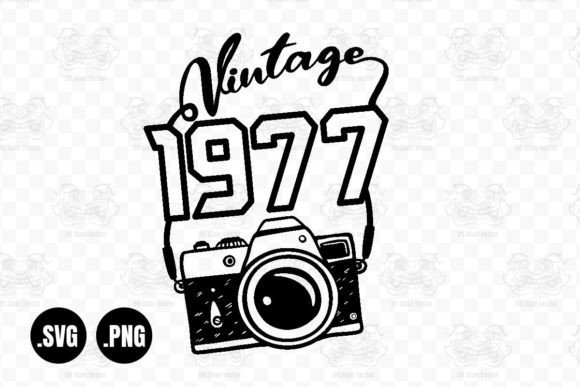
Reviewing the Vintage 1983 Classic Camera Svg for Embroidery
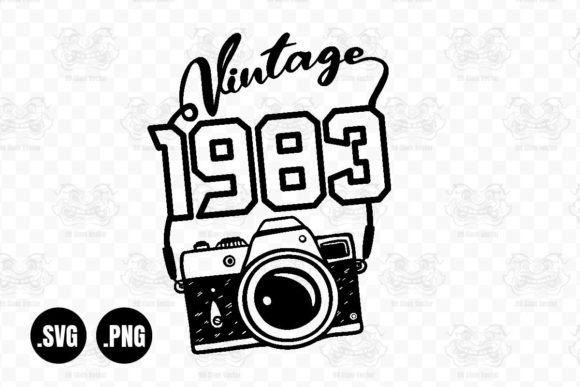
When I am looking at a new digital asset to add to my workflow, I am rarely interested in just the aesthetic. I am thinking about stitch density, how it will hold up on a curved cap, and whether it will translate well into a finished product that customers actually want to buy. Recently, I pulled up the Vintage 1983 Classic Camera Svg to evaluate its potential for real-world application. This file is marketed as a retro year birthday design, featuring typography alongside a classic camera motif, available in both svg and png formats for instant download. Here is my practical assessment of how this design performs when moved from screen to fabric.
First Impressions and Visual Personality
The immediate appeal of the Vintage 1983 Classic Camera Svg lies in its nostalgic weight. It taps into the "Made in 1983" sentiment, which is a powerful hook for personalized gifts. Visually, the design balances two distinct elements: the iconic shape of a vintage SLR camera and the bold typography celebrating the birth year. From a designer’s perspective, this duality is smart. The camera provides a strong graphic anchor, while the text offers personalization value.
The mood is warm, analog, and slightly rugged. It does not feel overly delicate or fussy. Instead, it suggests durability and timelessness. This makes it an excellent candidate for custom apparel where you want a statement piece rather than a subtle accent. The layout feels balanced, likely working well centered on a chest area or placed prominently on a tote bag. It has the visual weight necessary to stand out without overwhelming the garment.
Real-World Application Scenarios
I often test designs by imagining specific client requests. For the Vintage 1983 Classic Camera Svg, several project types come to mind immediately.
- Custom Tote Bags: This is perhaps the strongest use case. A canvas tote embroidered with a classic camera and "1983" screams creative professional. It fits perfectly for photographers, artists, or anyone who appreciates analog aesthetics. The sturdy nature of canvas supports the embroidery well, ensuring the stitch density remains crisp.
- Birthday Gifts and Milestones: As a personalized gift, this design hits a sweet spot. It works for 40th birthdays, but also for parents gifting items to children born in that era. It can be adapted for baby onesies, though one must consider the scale carefully. On a baby item, the camera graphic might need to be scaled down significantly to avoid looking cluttered.
- Sweatshirt Embroidery: Heavy cotton blends are forgiving and provide a great backdrop for retro themes. Placing this on the front left chest or center back of a crewneck sweatshirt creates a premium, boutique feel. The contrast between the soft fabric and the structured embroidery adds perceived value to the handmade product.
- Craft Business Merchandise: For an Etsy seller or small shop owner, this design is versatile. It can be used on aprons for kitchen decorators, pillow covers for home decor lines, or even as an embroidered patch for denim jackets. The retro theme appeals to a broad demographic, making it a safe bet for inventory.
Technical Performance and Stitch Considerations
Translating an SVG to an embroidery file requires careful attention to detail. While the source is an SVG/PNG, the final result depends entirely on how the digitizer interprets the shapes. When evaluating the machine embroidery design aspect, we must look at how the different components behave.
The camera outline will likely rely on a combination of satin stitch for clean edges and fill stitch for solid areas if the design includes shading. The typography needs to remain legible. If the letters are too thin or spaced too closely, they may pucker or become difficult to read after washing. I always advise checking the stitch density in these areas; high density on small text can cause distortion, especially on stretchy fabrics.
The interplay between the camera graphic and the text is crucial. If the elements are too close together, the hooping process might shift the fabric, causing misalignment. Ideally, there should be enough negative space around the design to allow for stable hooping. If you are using a stabilizer, ensure it matches the fabric type—cut-away for knits to prevent shifting, and tear-away for wovens like cotton tea towels.
Where to Exercise Caution
No design is perfect for every surface. There are specific scenarios where the Vintage 1983 Classic Camera Svg might struggle.
- Small Hoop Sizes: If you attempt to stitch this on a very small hoop (under 4x4 inches), the details of the camera lens and buttons may become muddy. Tiny details often get lost in the thread mass. Test this thoroughly before committing to a small embroidery project.
- Textured or Stretchy Fabrics: Materials like terry cloth, heavy fleece, or spandex blends can distort the applique design or fill stitches. The fabric texture can interfere with the needle penetration, leading to uneven stitching. Stick to smooth, tightly woven fabrics for the best clarity.
- Dense Stitch Areas: If the design includes large blocks of color, be mindful of the total stitch count. Excessive density can make the finished product stiff and uncomfortable, particularly on garments worn against the skin. Ensure the thread colors chosen complement the fabric without creating excessive bulk.
- Curved Surfaces: While caps are popular, applying a complex graphic like a camera with accompanying text requires precise mapping. Distortion on the curve can warp the lettering. Practice on scrap material first to understand how the design stretches over the curve.
Strategic Advice for Sellers and Makers
For those using this design commercially, presentation is key. The Vintage 1983 Classic Camera Svg lends itself well to lifestyle mockups. Imagine the finished product on a model holding a film camera, or displayed in a cozy, retro-themed room. These visual cues reinforce the theme and increase buyer engagement.
When listing this as a digital product or a physical item, emphasize the versatility. Highlight that it works for various occasions—birthdays, anniversaries, or simply as a fashion statement. Use black and white mockups to show how the design holds up in monochrome, which helps buyers visualize it on dark or light fabrics.
Always confirm licensing terms before selling finished items. Even if the file allows commercial use, some platforms have specific requirements. Ensure your craft business practices are compliant to protect your brand reputation. Additionally, testing the design in printable mockup formats can help you preview the design on different products without wasting thread and fabric.
Final Verdict
The Vintage 1983 Classic Camera Svg is a strong contender for designers looking to expand their catalog of retro-themed items. Its blend of graphic interest and personalization potential makes it highly marketable. It performs best on stable fabrics like canvas, cotton, and fleece, where the details can shine without distortion. By paying attention to hoop size, stitch density, and fabric choice, you can create high-quality finished products that resonate with customers. Whether you are an experienced apparel decorator or a hobbyist making a holiday gift, this design offers a reliable foundation for creative work. Just remember to test first, choose your threads wisely, and let the vintage charm do the talking.