I Hope Rudolph Eats the Naughty List Embroidery Review
As a designer who spends more time staring at stitch density charts and fabric swatches than actually sleeping, I approach every new embroidery file with a healthy dose of skepticism. The digital marketplace is flooded with holiday graphics, but few survive the transition from screen to needle without losing their soul—or worse, looking like a tangled mess on finished goods. Recently, I pulled the I Hope Rudolph Eats the Naughty List design into my workflow to see if it holds up for real-world application. This isn’t just another clipart download; it’s a specific piece of crafts and graphics content that promises a bit of attitude for your holiday inventory.
First Impressions: Mood and Visual Personality
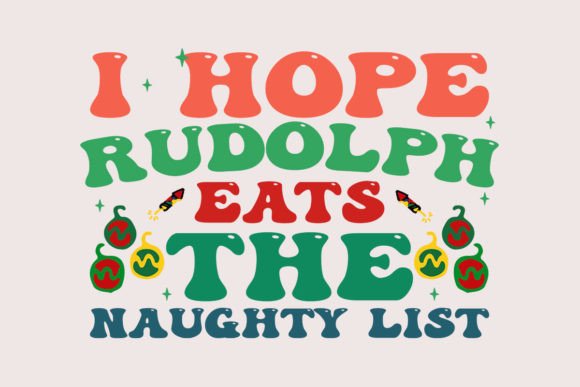
The moment you open the files associated with I Hope Rudolph Eats the Naughty List, the retro Christmas vibe hits you immediately. It doesn’t scream "traditional holiday"; it whispers "cool aunt who gives the best gifts." The typography feels bold and playful, leaning heavily into that mid-century modern aesthetic that has taken over home decor and apparel in recent years. For an embroidery project, this distinction matters immensely. A lot of holiday designs get lost in the noise of snowflakes and reindeer silhouettes, but this one has a distinct voice.
Visually, the layout suggests a strong graphic identity. When I mocked this up on a digital sweatshirt, the text legibility was sharp. It creates a mood that is festive but slightly irreverent, which is exactly what many modern consumers are looking for in personalized gifts. It feels less like a generic stocking stuffer and more like a boutique statement piece. The visual personality here is confident, relying on clean lines and readable lettering rather than excessive detail that might get muddled during stitching.
Real-World Application: Where This Design Shines
I put this design through its paces by imagining it on various substrates. The first scenario that came to mind was a custom embroidered tote bag. There is something inherently funny about carrying a canvas bag that openly admits your holiday spirit is "naughty." In terms of custom apparel, this works beautifully on heavyweight cotton sweatshirts or hoodies. The retro font pairs well with thick threads, creating a tactile, premium feel that customers appreciate.
For small business owners and Etsy sellers, this design is a goldmine for holiday embroidery collections. It fits perfectly into the trend of humorous, relatable gift items. Picture a set of matching aprons for a hostess gift—one reading "Nice" and this one reading "Naughty." The versatility extends to baby clothes as well; parents love ironic humor for their little ones, making this a strong contender for baby embroidery onesies or burp cloths. It also translates well to kitchen towels, where the casual nature of the text adds a touch of warmth to the home.
Furthermore, the design assets provided (SVG, PNG, EPS, DXF, JPG) mean this isn't limited to just machine embroidery. If you are a digital product seller or offer printable mockups, these high-resolution files allow you to create compelling listings before the physical product even exists. The inclusion of vector formats ensures that whether you are scaling this up for a large wall hanging or down for a tiny tag, the integrity of the machine embroidery design remains intact.
Technical Considerations and Stitch Behavior
However, no design is perfect, and as a reviewer, I need to point out where caution is required. The success of I Hope Rudolph Eats the Naughty List hinges largely on execution. Because the design relies heavily on typography, the choice of thread colors is critical. High contrast is non-negotiable. If you attempt to stitch light thread on a dark background without proper underlay, or vice versa, the message gets lost. I recommend testing this in black and white mockups first to ensure the negative space works as intended.
Stitch density is another factor. While the description mentions quality files suitable for Cricut and Silhouette, we must remember that screen resolution does not equal stitch clarity. If the design contains fine details or thin connecting bridges in the letters, it may be prone to thread breaks or puckering, especially on stretchy fabrics. Before committing to a bulk production run, always test the design on scrap fabric. Check the stitch density to ensure it isn't too dense for lightweight materials like tea towels or thin jersey knits.
Additionally, consider the hoop size. If the design is meant to be placed on a curved surface like a baseball cap or a fitted hat, the flatness of the digital preview can be misleading. Curved surfaces distort text, so you may need to adjust the angle or scale of the design to maintain readability. For products that require frequent washing, such as handmade product linens or children's wear, ensure that the stabilizer used matches the fabric weight to prevent distortion over time.
Where to Exercise Caution
There are specific scenarios where this design might struggle. Avoid using it on highly textured fabrics like chunky wools or bouclé, as the texture will compete with the lettering. Thin fabrics, such as sheer organza or lightweight silk, may not support the structure of the design, leading to visible puckering. Also, be wary of placing detailed corners or tiny lettering near the edge of a hoop, as tension variations can cause slight warping.
If you are planning to use this for commercial embroidery or selling finished items, double-check the licensing terms included with the purchase. Just because you bought the file doesn't automatically grant you commercial rights for mass production. Confirm whether the license covers digital resale, physical merchandise, or both. This is a crucial step for any craft business looking to protect their intellectual property and avoid legal pitfalls.
Final Verdict: Value and Professional Appeal
Ultimately, I Hope Rudolph Eats the Naughty List succeeds because it understands its audience. It is not trying to be everything to everyone; it is targeting a specific demographic that appreciates wit, retro aesthetics, and quality craftsmanship. For the right maker, this design elevates a simple holiday item into a conversation starter.
The combination of multiple file formats makes it a versatile tool in your arsenal. Whether you are creating an embroidered patch for a denim jacket, designing a tote bag design for a craft fair, or adding a personal touch to a personalized gift, this design offers a professional finish that builds customer trust. It signals that you care about the details, from the initial graphic concept to the final stitch.
In conclusion, this is a solid addition to your library of design assets. It brings a fresh, humorous energy to the crowded holiday market while remaining technically feasible for most standard embroidery setups. Just remember to respect the fabric, choose your threads wisely, and always test before you sell. If you do, you’ll find that this naughty list design might just become your best-selling nice thing this season.