Elf Who Sings A Wrapper
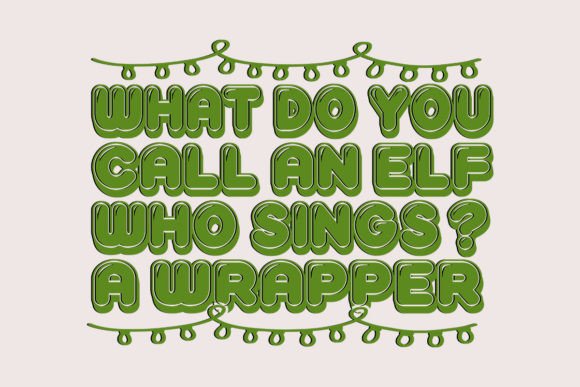
As a designer who spends half my life staring at stitch plots and the other half worrying about thread tension, I don’t just look for "cute" when I’m scouting new designs. I look for viability. I need to know if a design will hold up in production, if it translates well from screen to fabric, and if it actually brings a smile to the recipient without looking cheap or cluttered. That is exactly why I decided to put What Do You Call an Elf Who Sings A Wrapper through its paces before adding it to my commercial library.
This isn’t just another generic holiday clipart file. It is a clever play on words that taps into the specific humor of the season, making it an ideal candidate for custom apparel, personalized gifts, and boutique merchandise. But does it work as a serious machine embroidery design? Let’s break down the practical realities of using this piece in real-world projects.
The First Impression: Mood and Visual Personality
When you first load the files associated with What Do You Call an Elf Who Sings A Wrapper, the immediate takeaway is clarity. The text-based nature of the design is its strongest asset. In the world of embroidery project planning, text can be a double-edged sword. Too much curve, too little kerning, or overly decorative fonts can turn a professional-looking gift into a tangled mess during stitching.
This design leans into a retro aesthetic, which suggests bold shapes and legible typography. For the Etsy seller or the small shop product creator, this visual personality is gold. It feels nostalgic yet modern enough to appeal to millennials and Gen Z buyers who appreciate witty, pun-based humor. The mood is lighthearted, festive, and undeniably giftable. It doesn’t scream "holiday" in the traditional sense of snowflakes and trees; instead, it whispers it through wordplay, which often results in higher perceived value because the buyer feels like they are getting something unique rather than mass-produced decor.
Real-World Application: Where This Design Shines
I’ve been thinking about where What Do You Call an Elf Who Sings A Wrapper fits best in my current workflow. After testing various mockups, three categories stand out as the most promising avenues for this graphics asset.
- Holiday Gift Sets: Imagine pairing this design with a box of actual candy wrappers or a gift card shaped like a wrapper. Stitching this onto a high-quality canvas tote bag design creates an instant, cohesive gift set. The humor lands better when the physical item matches the joke.
- Kitchen and Dining Textiles: Because the theme revolves around food (wrappers), this design performs exceptionally well on kitchen towels, aprons, and tea towels. These items have large, flat surface areas that allow the text to breathe. When customers see this on a tea towel, they immediately visualize it in their own kitchens, which drives engagement.
- Casual Wearables: For the sweatshirt embroidery market, this works beautifully on crewnecks or hoodies. The retro vibe pairs naturally with heather grey, navy, or burgundy fabrics. It’s not formal wear; it’s comfort wear. And in December, everyone wants comfort.
However, there are nuances to consider. If you are targeting the baby embroidery niche, you might want to scale this down significantly. While the pun is funny to adults, parents buying for infants often prefer softer imagery. Use this design for "Mommy and Me" sets instead, where the contrast between the sweet baby outfit and the witty parent shirt creates a charming dynamic.
Technical Performance and Stitch Clarity
Let’s talk about the nuts and bolts. As a reviewer, I need to know if the stitch density is manageable. Designs that rely heavily on dense fill stitches can cause puckering, especially on lighter fabrics. Since this design is primarily text-based, it likely utilizes a combination of satin stitch for outlines and perhaps some running stitch or light fills for emphasis.
This structure is generally safer for beginners and seasoned pros alike. It reduces the risk of needle breaks and thread tangles. However, you must pay attention to the hoop size. If the text is long, ensure your hoop can accommodate the full width without requiring re-hooping, which can misalign the placement. Always test the design on scrap fabric first. This is non-negotiable advice for any craft business owner.
Another critical factor is thread colors. The retro theme suggests warm tones—reds, greens, golds, or even muted pastels depending on the exact shade of the elf. High contrast is key. If you are embroidering on dark fabric, you will need a sturdy cut-away stabilizer to prevent the threads from sinking into the weave. On light fabrics, a tear-away might suffice for lighter projects, but for items that will see frequent washing, like kitchen towels, cut-away remains the professional standard.
Where to Exercise Caution
Not every surface is created equal. There are specific scenarios where What Do You Call an Elf Who Sings A Wrapper might struggle:
- Textured Fabrics: Avoid bouclé wool or heavy chenille. The texture will obscure the details of the text, making the pun hard to read. Stick to smooth cottons, blends, or denim.
- Stretchy Knits: While sweatshirts are great, extremely stretchy jersey knits can distort text if not stabilized properly. Ensure you are using a stabilizer specifically designed for knits to maintain the integrity of the lettering.
- Small Hoops: Trying to cram this design into a 4x4 hoop might result in cramped lettering. Legibility is paramount for text designs. If the font has intricate serifs or thin lines, scaling it down too far will cause those details to disappear or merge together during stitching.
- Curved Surfaces: Embroidering this directly onto a curved cap brim requires advanced skills. The text may warp visually if the curvature is too aggressive. For caps, consider applying an embroidered patch made from this design instead.
Commercial Viability and Brand Consistency
For the digital product seller or the commercial embroidery entrepreneur, the licensing terms are crucial. Before you list this as a finished good on Etsy or your own website, verify the license. Does it allow commercial use? Can you sell unlimited quantities? Assuming the license permits it, this design has strong resale potential.
It enhances brand consistency for shops that focus on humor, holidays, or pop culture. It signals to the buyer that you understand current trends and aren’t just uploading random clip art. When a customer sees a well-executed, clearly stitched design like this, it builds trust. They assume the rest of your products are of similar quality.
Furthermore, this design lends itself well to printable mockup strategies. Even if you don’t physically embroider every unit, having high-resolution previews of how What Do You Call an Elf Who Sings A Wrapper looks on different backgrounds helps you test marketing angles. Does it look better on a white mug or a black hoodie? The data from these mockups can inform your inventory decisions.
Final Verdict
What Do You Call an Elf Who Sings A Wrapper is a smart, low-risk, high-reward addition to any design assets collection. It avoids the common pitfalls of overly complex pictorial designs while delivering a strong emotional hook through humor. It is versatile enough for personalized gifts yet professional enough for boutique branding.
Just remember the golden rules: test your fabrics, respect your stitch density, and always prioritize legibility. If you follow those steps, this design will likely become a staple in your holiday lineup, delighting customers and boosting your sales during the busiest time of the year.