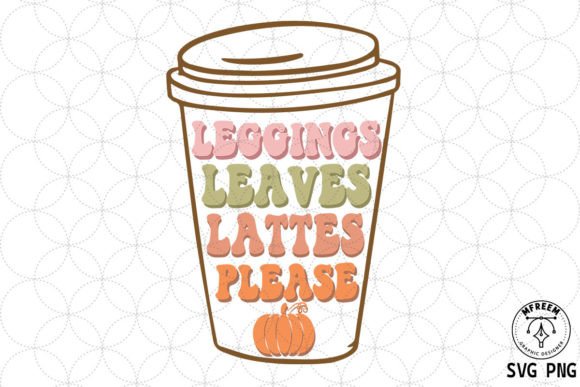
Autumn Leaves and Pumpkins Please Retro
As a designer who has spent years turning digital files into tangible, stitched products for clients and my own shop, I know that the difference between a cute idea and a sellable product often comes down to one thing: how the design behaves under the needle. When I first laid eyes on Autumn Leaves and Pumpkins Please Retro, it didn't just look like another seasonal graphic; it felt like a specific mood board come to life. It captures that nostalgic, mid-century warmth that makes people stop scrolling and smile. But as an experienced reviewer, my job isn't just to admire the aesthetic; it is to determine if this design can hold up in the real world of embroidery production.
The First Stitch: Visual Personality and Mood
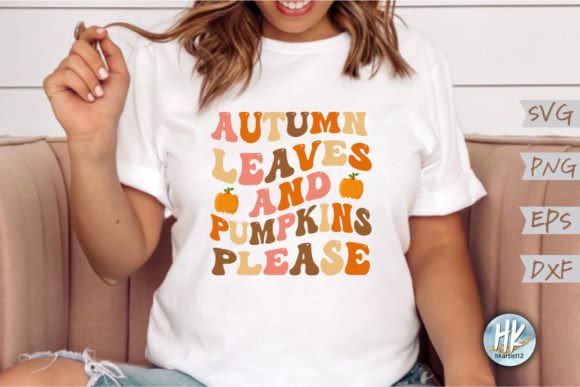
The immediate impression of Autumn Leaves and Pumpkins Please Retro is one of cozy, curated chaos. The retro styling suggests a vintage poster or a classic kitchen towel from the 1970s, which gives it a timeless appeal rather than a fleeting trend. For a craft business owner or an Etsy seller, this visual personality is gold. It immediately signals "handmade" and "thoughtful" to a customer. The layout feels balanced, with the pumpkin elements anchoring the composition while the leaves provide movement and flow. This dynamic balance is crucial because it translates well to different fabric textures. Whether you are stitching onto a soft cotton tee or a sturdy canvas tote, the design retains its character without looking cluttered or too sparse.
However, the retro aesthetic relies heavily on clean lines and distinct shapes. In a machine embroidery context, this means the design likely utilizes a mix of satin stitches for definition and fill stitches for body. If executed correctly, the result is a finished product that looks polished and professional, elevating the perceived value of your handmade goods. It moves beyond a simple logo and becomes a statement piece that customers will want to display or wear.
Real-World Application: From Scrap to Shop Floor
To truly understand the utility of this design, let's imagine a practical scenario. You are preparing for the upcoming holiday season and need a custom embroidered tote bag for a boutique client who specializes in autumn-themed home decor. You decide to use Autumn Leaves and Pumpkins Please Retro on a heavy-duty canvas tote. The retro vibe pairs perfectly with the rustic nature of the fabric. As you hooping the bag, you notice that the design has enough negative space to allow the texture of the canvas to peek through slightly, adding depth to the final image.
Now, consider a smaller project, perhaps a baby onesie for a personalized gift. Here, the design needs to be scaled appropriately. The charm of the retro pumpkins works beautifully on a small chest area, creating a focal point that parents love. The design's versatility shines here; it can transition seamlessly from a large commercial sweatshirt to a delicate nursery pillow cover. The key is understanding that this file is not just a decoration; it is a brand asset. When used consistently across a line of products—like matching aprons, tea towels, and hats—it creates a cohesive look that builds trust with your buyers. They recognize the style instantly, which is essential for building a loyal customer base in a crowded market.
Where Caution is Required: Fabric and Hoop Limitations
While Autumn Leaves and Pumpkins Please Retro is a strong candidate for many projects, no design is universally perfect. There are specific scenarios where you must exercise caution. If you are working with a very small hoop size, such as those found on portable embroidery machines or for intricate details on collars, you need to scrutinize the smallest elements of the design. Tiny lettering or fine leaf veins might get lost or become distorted if the stitch density is too high for the limited space.
Fabric choice is equally critical. Textured fabrics like bouclé or thick fleece can sometimes swallow up the finer details of a retro design, making it look muddy. Similarly, stretchy fabrics require a robust stabilizer strategy to prevent puckering, which could ruin the geometric integrity of the retro shapes. Dark fabrics present another challenge; if the thread colors chosen do not have sufficient contrast against the dark background, the intricate details of the leaves may disappear. Always test the design on scrap fabric that matches your final material to ensure the thread colors pop and the shapes remain crisp.
Furthermore, curved surfaces like caps can be tricky. While the design is adaptable, the curvature of a cap might alter the perspective of the leaves, making them look uneven if the digitizing wasn't optimized for 3D surfaces. For these applications, it is vital to check the original file specifications regarding hoop sizes and recommended stabilizers before committing to a production run.
Design Notes for the Practical Embroiderer
Before you rush to print your first batch of finished products, there are several technical steps every professional should take. First, always test the design on scrap fabric. This simple step reveals issues with thread tension, stitch density, and color contrast that mockups cannot show. Review the stitch types closely; a combination of satin stitch for outlines and fill stitch for the main bodies usually yields the best results for this style of design.
Confirm the hoop size requirements by checking the file details provided in the download. If the design includes multiple formats like SVG, EPS, DXF, JPG, and PNG, ensure you are using the correct vector format for your specific machine software. The digital nature of the file allows for easy resizing, but remember that scaling down too much can compromise the quality of the machine embroidery design. Also, verify the licensing terms. If you plan to sell the finished items, you need to be certain that the license covers commercial use. Many designers assume all digital assets are free for resale, but this varies wildly.
Finally, inspect the design in black and white mockups. Sometimes color distracts us from structural flaws. If the design holds up in grayscale, it means the shape and composition are sound, regardless of the thread colors you choose. By following these practical steps, you ensure that Autumn Leaves and Pumpkins Please Retro transforms from a simple digital file into a high-quality embroidery project that delights your customers and stands the test of time.
In the end, this design is more than just a collection of shapes; it is a tool for creative entrepreneurs. Whether you are a hobbyist making gifts for family or a small shop owner scaling up production, this retro fall theme offers a reliable foundation for beautiful, functional, and profitable crafts. With careful preparation and attention to detail, it can become a staple in your portfolio of design assets.