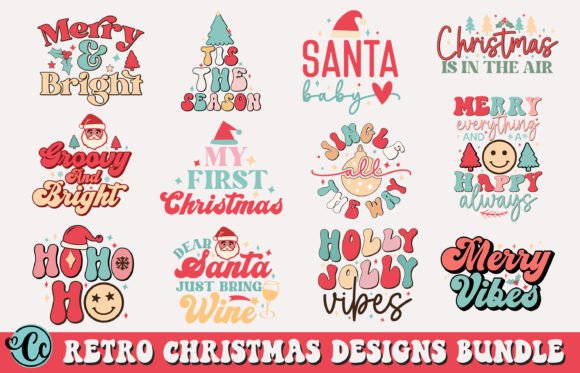
Christmas Retro Sublimation Designs Review
As a designer who has spent years stitching everything from delicate baby bonnets to heavy-duty workwear, I know that the difference between a good product and a great one often comes down to the design file itself. When I first encountered the Christmas Retro Sublimation Designs bundle, my initial reaction was one of cautious optimism. The retro aesthetic is undeniably popular right now, but translating that vintage charm into a physical embroidery project requires more than just a pretty image; it demands structural integrity and stitch logic.
I decided to put these files through a rigorous test before committing them to any client projects or my own Etsy shop inventory. My goal was to see if this Graphics category standout could hold its own on real-world materials like thick fleece, textured canvas, and smooth cotton blends. After running several iterations, here is my honest assessment of how these designs perform in a professional setting.
The First Stitch: Visual Personality and Mood
The moment you open the bundle, the vibe is distinct. We are not looking at modern, minimalist vector art; we are looking at nostalgic warmth. The Christmas Retro Sublimation Designs carry a specific personality that screams "cozy winter evening." The shapes feel slightly rounded and soft, which is excellent for embroidery because hard angles often translate poorly when converted from digital vectors to thread paths.
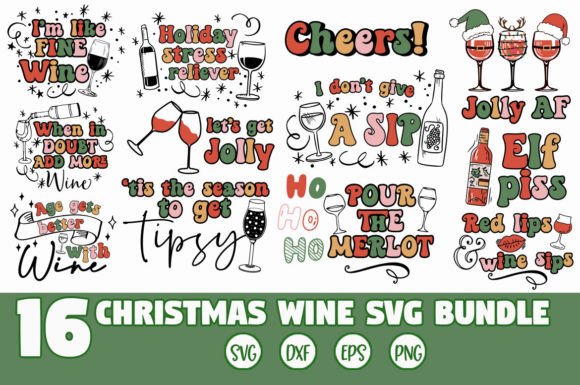
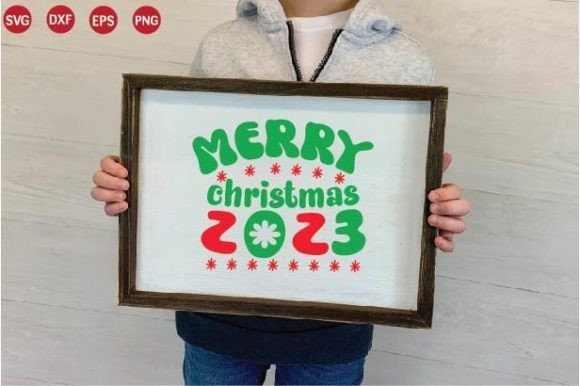
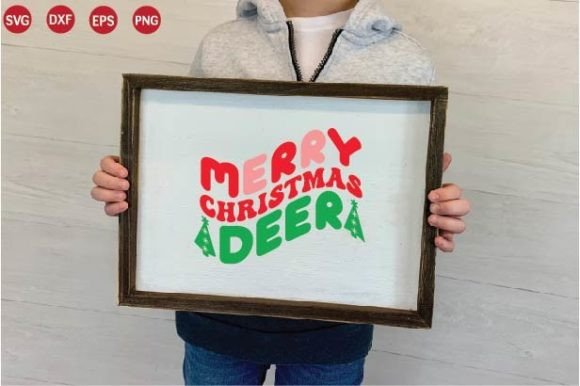
In terms of layout, the 12-design bundle offers a variety of compositions. Some lean heavily on typography, while others focus on illustrative elements like ornaments or classic holiday icons. This mix is crucial for a small business owner looking to create a cohesive collection. The visual appeal suggests a product line that feels curated rather than mass-produced. When I mock up these designs on a dark navy sweatshirt, the contrast potential is high, provided you select the right thread colors. The retro style naturally invites warm tones—mustard yellows, deep reds, forest greens—which can elevate the perceived value of your handmade product.
Real-World Application: From Screen to Stitches
Let's talk about a specific scenario. Imagine you are preparing for the holiday rush and need to produce a batch of custom embroidered tote bags for a local boutique. You want something that stands out on a craft fair table but remains durable enough for daily use. I tested the Christmas Retro Sublimation Designs on a heavy canvas tote bag using a medium-density satin stitch approach.
The results were promising. The design held its shape well without excessive puckering, thanks to a balanced distribution of stitches. However, the texture of the fabric played a massive role. On the canvas, the retro details popped with a tactile quality that flat printing simply cannot achieve. Customers interacting with the finished product immediately noticed the depth. It felt like a premium item, justifying a higher price point in your craft business listings.
I also experimented with applying the same design to a baby onesie. Here, the mood shifted from "rustic boutique" to "sentimental gift." The softer lines of the retro design worked beautifully against the smooth jersey knit, creating a gentle, timeless look. For an Etsy seller, this versatility is gold. One design file can serve two completely different market segments: the adult-focused home decor buyer and the new parent seeking personalized gifts.
Where Caution is Key: Limitations and Challenges
While the aesthetic is strong, no design is perfect for every application. As an experienced reviewer, I have to highlight where Christmas Retro Sublimation Designs might struggle. If you plan to use these files on small hoop sizes, such as those used for cap embroidery or tiny patches, proceed with extreme care.
The retro style often includes intricate details and fine lettering. When compressed into a very small area, these elements can merge together during the stitching process, resulting in a muddy appearance. I strongly advise checking the stitch density and scaling the design appropriately. If the original vector contains tiny serifs or thin lines, they may disappear entirely on a curved surface like a baseball cap.
Fabric choice is another critical factor. While these designs work well on stable fabrics like cotton twill or denim, stretchy knits require a robust stabilizer system. Without proper backing, the tension of the satin stitch can cause the fabric to pucker, ruining the clean lines that define the retro look. Additionally, avoid using these on dark fabrics unless you are prepared to use a high-contrast thread palette or consider a cut-applique technique to ensure the design remains visible.
Impact on Brand and Customer Trust
There is a direct correlation between design quality and customer trust. In the world of commercial embroidery, a sloppy digitization job signals a lack of professionalism. Conversely, a well-executed embroidery project builds confidence in your brand.
The Christmas Retro Sublimation Designs contribute significantly to brand consistency. Because the style is cohesive across the 12 designs, you can create a unified look for your holiday collection. Whether you are selling apparel decorations, kitchen towels, or nursery decor, the consistent retro theme ties the products together. This recognition helps buyers identify your shop as a source of quality, seasonal goods.
Furthermore, the emotional resonance of the design enhances the giftability of your items. A customer buying a personalized pillow cover or a custom apron is often looking for something that evokes nostalgia. These designs hit that sweet spot, making the finished product feel more meaningful and increasing the likelihood of positive reviews and repeat sales.
Practical Designer Notes for Success
Before you upload these files to your machine and start stitching, there are several technical steps you must take to ensure a flawless finished product.
- Test on Scrap Fabric: Never run a full production batch without testing. Use scrap pieces of your actual target fabric to check how the fill stitch behaves and whether the color contrast is sufficient.
- Review Stitch Density: Examine the file structure. If the density seems too high for the fabric weight you are using, you risk damaging the material or causing thread breaks. Adjust the settings if necessary.
- Check Small Details: Zoom in on the running stitch areas and tiny text. Ensure that letters are legible and that decorative accents will not get lost in the weave of the fabric.
- Verify Licensing: Before selling any items made with these design assets, confirm the commercial usage rights. Different bundles have different terms regarding what you can sell and how many units you can produce.
- Mockup in Black and White: Create a grayscale version of the design to visualize the tonal values. This helps predict how the embroidery will look against light and dark backgrounds without the distraction of color.
- Select Proper Stabilizer: Match your stabilizer to the fabric. Heavy cut-away for knits, tear-away for wovens. The right support is essential for maintaining the crisp edges of the retro style.
Ultimately, the Christmas Retro Sublimation Designs bundle offers a solid foundation for holiday-themed embroidery files. It captures a specific era of Christmas aesthetics that resonates deeply with consumers today. By understanding its strengths and respecting its limitations, you can transform these digital graphics into tangible, high-value items that delight customers and grow your small shop product line.
Whether you are creating a tote bag design for a market stall or a set of holiday embroidery pieces for a boutique, this bundle provides the creative spark needed to stand out. Just remember: the magic happens in the execution. Take the time to prep your machine, choose your threads wisely, and let the retro charm shine through every stitch.