Leopard Merry Christmas Tree Embroidery Review
When I sit down to review a new machine embroidery design, my first question is never about the file format or the price. It is about viability. Can this design survive the hoop? Will it hold up after twenty washes? Does it actually look good on fabric, or does it just look great in a digital preview? Today, I am putting that practical lens on the Leopard Merry Christmas Tree. This is a design that promises a bit of retro flair mixed with holiday cheer, and for those of us running small shops or crafting personalized gifts, knowing whether it delivers is crucial.
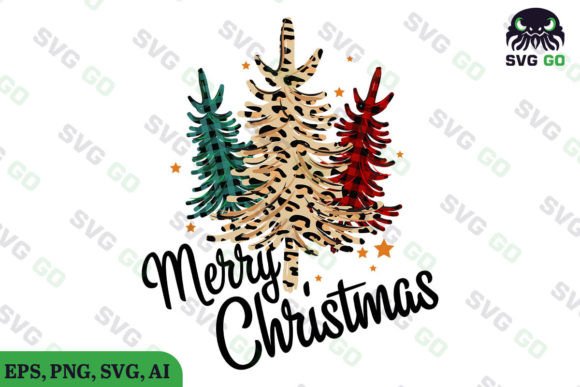
The immediate visual impact of the Leopard Merry Christmas Tree is strong. It taps into a very specific aesthetic that has been dominating Crafts and Graphics trends lately: the fusion of wild, natural patterns with cozy, traditional holiday motifs. The leopard print adds an unexpected edge to the classic Christmas tree silhouette. For a designer, this is interesting because it breaks away from the standard red-and-green floral schemes. It feels modern, slightly edgy, and undeniably trendy. But does that translate well when stitched?
I recently tested this concept by imagining it on a custom embroidered tote bag intended for a boutique client. The idea was to create a handmade product that stood out on a crowded Etsy shelf. When I looked at the layout of the Leopard Merry Christmas Tree, I appreciated the balance. The central tree shape provides a solid anchor, while the leopard spots offer texture without overwhelming the eye. However, texture in embroidery is tricky. If the spots are too small or the spacing is off, the design can turn into a muddy blur on fabric. In this case, the shapes appear distinct enough to maintain clarity, provided you choose your thread colors wisely.
One of the most critical aspects of evaluating any embroidery project is stitch density and detail level. The Leopard Merry Christmas Tree relies heavily on fill stitches to create the body of the tree and the pattern itself. From a technical standpoint, high-density fills can be heavy on fabric. If you are planning to use this on a lightweight tea towel or a thin baby onesie, you need to be careful. The weight of the thread might cause puckering if you do not use the correct stabilizer. For heavier items like a sweatshirt embroidery piece or a structured cap, the density should hold its own beautifully, giving that plush, professional look that customers associate with quality.
Let’s talk about color. The leopard theme usually implies tans, browns, and blacks, but since this is a Christmas design, you have the option to play with festive hues. I found myself thinking about how this would look in black thread on a heather grey sweatshirt. The contrast would be sharp, and the retro vibe would pop. Alternatively, using gold or rust-colored threads could enhance the warm, nostalgic feel of the retro Christmas aesthetic. The key here is contrast. If your background fabric is dark, ensure the satin stitch outlines or the lighter parts of the leopard print are visible. Poor contrast is the number one reason a finished product looks amateurish.
For Etsy sellers and small business owners, the versatility of this design is a major selling point. It is not limited to just apparel. I see this working exceptionally well as an embroidered patch that can be ironed onto denim jackets or backpacks. Patches allow you to showcase the full detail of the design without worrying about the stretch of a garment. It also translates well to home decor. A pillow cover featuring the Leopard Merry Christmas Tree could serve as a unique personalized gift for someone who loves animals and holidays alike. It bridges the gap between a novelty item and a stylish decor piece.
However, there are places where this design requires caution. I would advise against using this on curved surfaces like baseball caps unless you have a dedicated cap frame and significant experience. The leopard pattern involves irregular shapes that can distort if the tension is not perfectly calibrated on a curve. Similarly, tiny lettering or fine details within the design should be inspected closely. If the file includes small text, test it in a small hoop size first. Small details often get lost in the stitching process, especially if the thread color blends too much with the background.
Another scenario to consider is the target audience. Who is buying this? If you are targeting families with young children, a baby embroidery version of this tree might be adorable on a burp cloth or a blanket. The softness of the embroidery combined with the playful theme makes for a heartwarming gift. On the other hand, if you are marketing to fashion-forward individuals, positioning it as custom apparel for a holiday party or a themed event makes sense. Understanding your buyer helps you decide which finished product variations to produce.
From a brand consistency perspective, the Leopard Merry Christmas Tree fits well into a shop that offers eclectic, fun, and slightly unconventional holiday items. It moves away from the generic and toward the specific. This specificity builds trust. Customers can tell when a seller curates designs with intent rather than just uploading random clip art. By choosing a design with such a distinct personality, you signal that you care about the aesthetic of your craft business.
Before you upload this to your shop or start stitching for clients, there are a few practical steps every designer should take. First, always test the design on scrap fabric that matches the weight and texture of your final product. This reveals issues with puckering, thread breakage, or stabilizer requirements that you cannot see on screen. Second, check the licensing terms. Since this is a digital download that likely includes SVG, PNG, EPS, and AI files, clarify whether you are allowed to sell the physical embroidered items commercially. Some licenses restrict commercial use, which can be a costly mistake for a commercial embroidery operation.
Finally, consider the presentation. If you are creating a printable mockup for your online store, show the design on different backgrounds. Show it on a white shirt, a black hoodie, and a beige tote bag. This helps potential buyers visualize the design assets in their own lives. Visual recognition is powerful; if they can see how the leopard print contrasts with different fabrics, they are more likely to purchase.
In conclusion, the Leopard Merry Christmas Tree is a strong contender for designers looking to add some personality to their holiday collections. It balances trendiness with tradition, offering a fresh take on a classic symbol. With careful attention to fabric choice, thread selection, and proper testing, this design can elevate your embroidery project from simple decoration to a standout piece. It is versatile enough for personal gifts and robust enough for commercial merchandise, making it a valuable addition to any digital embroidery file library. Just remember: the magic happens in the stitching, not just the screen. Test thoroughly, stitch confidently, and let the design speak for itself.