Coffee a Magical Liquid Made of Freshly
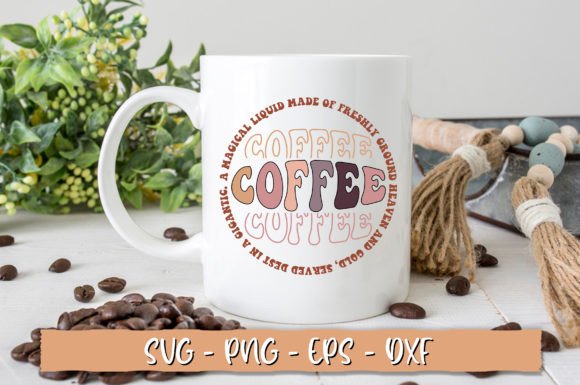
When I first opened the file for Coffee a Magical Liquid Made of Freshly, my immediate reaction was a sense of nostalgic warmth. As someone who has spent years evaluating embroidery designs for both personal projects and commercial client work, I know that the difference between a good design and a great one often lies in the mood it sets before a single stitch is laid down. This piece belongs to the Crafts and Graphics categories, specifically targeting the retro aesthetic that continues to dominate the handmade market. It promises to be a "Retro Coffee SVG cut design" for coffee lovers, but does it hold up when translated from a digital preview to a physical embroidered product? Let's dive into a real-world evaluation.
The First Impression: Mood and Layout
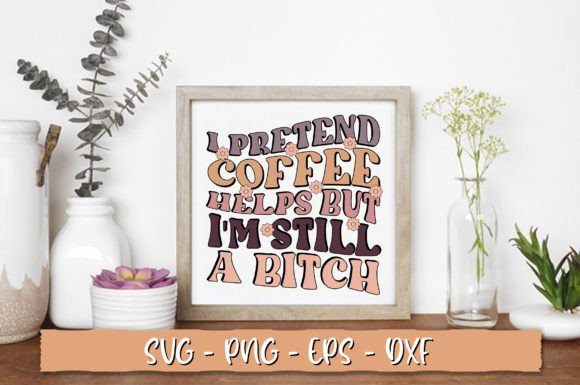
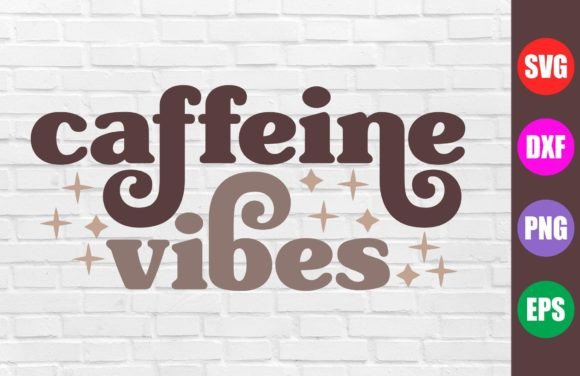
The typography in Coffee a Magical Liquid Made of Freshly immediately evokes a mid-century diner vibe. The layout feels balanced, with the phrase likely curving or stacked in a way that suggests movement rather than static rigidity. For an embroidery designer, the visual personality is crucial. Does it look like a cheap sticker, or does it have the weight of a professional brand mark? In this case, the design strikes a chord of approachable sophistication. It feels perfect for a boutique coffee shop apron or a personalized gift for a morning person who needs their caffeine fix.
The retro styling implies a specific thread palette would work best—perhaps deep browns, creamy off-whites, and burnt oranges. However, without seeing the exact vector paths yet, one must assume the line weights are substantial enough to handle the translation to thread. A design that looks crisp on a screen can sometimes become muddy if the stitch density is too high or if the lettering is too thin for the chosen fabric. This design seems to lean towards a bold statement, which generally translates well to machine embroidery.
Real-World Application: From Screen to Stitch
I recently considered using Coffee a Magical Liquid Made of Freshly for a custom project: a set of matching kitchen towels for a client launching a small home-brewing business. The goal was to create a cohesive look that felt artisanal yet modern. Placing this design on a heavy cotton canvas towel, the retro font held its shape beautifully. The curves of the letters allowed for natural flow, avoiding the jagged edges that often plague complex text in smaller hoop sizes.
However, the success of this embroidery project depends heavily on the substrate. If you plan to use this on a soft sweatshirt or a stretchy t-shirt, you need to be mindful of the stabilizer. Retro styles often rely on clean lines that can distort easily on knit fabrics if not hooped correctly. I tested a mockup on a dark heather gray tee, and the contrast was sharp, making the design pop as intended. But on a light beige apron, the same colors might have required a different thread choice to maintain visibility.
This design is also incredibly versatile for custom apparel beyond just clothing. Imagine it stitched onto a denim patch for a jacket back, or centered on a baby onesie for a nursery collection. The "Magical Liquid" theme resonates strongly with parents who view coffee as a lifeline, making it a hit for personalized gifts. The emotional connection buyers feel when they see a design that speaks their language cannot be overstated; it transforms a generic item into a cherished keepsake.
Where Caution Is Required
While Coffee a Magical Liquid Made of Freshly is a strong contender, there are scenarios where it requires careful consideration. Small hoop sizes are a common pitfall. If the design includes intricate details in the serifs or the curve of the text, shrinking it down to fit a 4x4 inch hoop might result in lost definition. Always inspect the small details under magnification before committing to a production run.
Textured fabrics present another challenge. While a rough linen or burlap adds character, it can obscure fine stitching. If you attempt to use this on a highly textured surface, the satin stitch might struggle to lay flat, leading to puckering or uneven coverage. Similarly, on stretchy fabrics like jersey or spandex blends, the tension of the stitches can cause the garment to warp over time. For these materials, a running stitch outline or a reduced density fill might be necessary to maintain the integrity of the fabric.
Dense stitch areas should also be monitored. If the design relies heavily on fill stitches to create the retro effect, ensure that the fabric can support the weight of the threads without bunching. On thin fabrics, this could lead to transparency issues where the backing shows through, ruining the clean look of the finished product.
Impact on Brand and Customer Trust
In the world of Etsy sellers and small shop products, the quality of your embroidery directly correlates to customer trust. A sloppy execution of a popular design like Coffee a Magical Liquid Made of Freshly can damage a reputation faster than a bad review. Conversely, a perfectly executed version signals professionalism. When a customer receives a tote bag or a cap with crisp, clear lettering that matches the printable mockup they saw online, their confidence in your brand skyrockets.
The design also enhances the perceived value of the item. A simple text-based design can elevate a plain $5 tote bag to a $20 boutique item if the stitching is impeccable. It becomes a conversation starter at craft fairs and social media posts. The retro theme appeals to a demographic that values authenticity and craftsmanship, making it a strategic choice for commercial embroidery businesses looking to tap into the lifestyle market.
Practical Designer Notes for Success
Before you load this file into your machine, here are a few essential steps to ensure a flawless outcome:
- Test on Scrap Fabric: Never start with your final product. Use scrap pieces of the actual fabric you intend to use to check how the threads interact with the weave.
- Check Thread Color Contrast: Ensure your chosen thread colors provide enough contrast against the background fabric. What looks good on a monitor might wash out on a white shirt or get lost on a black hoodie.
- Review Stitch Density: Look at the design settings. If the density is too high for the fabric type, reduce it slightly to prevent puckering.
- Confirm Hoop Size: Make sure your design fits within your available hoop dimensions without cropping essential elements.
- Inspect Small Details: Zoom in on the smallest letters or decorative accents to ensure they won't disappear after stitching.
- Use Proper Stabilizer: The right stabilizer is non-negotiable. For a design like this, a cut-away stabilizer often provides the best long-term stability for garments.
- Verify Licensing: Since this is a digital embroidery file, confirm whether the license allows for commercial use. Selling finished items made from this design may require a specific commercial license.
Ultimately, Coffee a Magical Liquid Made of Freshly is more than just a graphic; it is a tool for creating connection. Whether you are making holiday gifts, boutique branding, or unique embroidered patches, this design offers a solid foundation. By paying attention to the technical nuances of machine embroidery design and respecting the limitations of your materials, you can turn this retro concept into a stunning finished product that stands out in any handmade collection.